
Liposomal Glutathione vs RiboCeine Technology: A Side-by-Side Comparison
Liposomal glutathione vs RiboCeine: an honest, research-backed comparison of both glutathione delivery technologies, mechanisms, safety, and cost.

Liposomal glutathione vs RiboCeine is a genuinely useful comparison to understand, because both technologies exist to solve the same underlying problem: plain oral glutathione and plain cysteine are both poorly absorbed and largely broken down before they can raise glutathione levels in the body. Liposomal glutathione wraps finished glutathione molecules in a fat-based capsule to help them survive digestion. RiboCeine, the technology behind Cellgevity, takes a different approach entirely, delivering the raw material, cysteine, in a protected form so your own cells can build glutathione themselves. This guide compares the research, the mechanisms, the safety data, and the practical differences between the two.
Liposomal Glutathione vs RiboCeine: Quick Comparison Table
| Liposomal Glutathione | RiboCeine™ (Cellgevity) | |
|---|---|---|
| Delivery approach | Finished glutathione wrapped in a lipid (fat) capsule | Cysteine precursor protected by a D-ribose molecule |
| What it delivers | The complete antioxidant molecule itself | The rate-limiting raw material for your cells to build glutathione |
| Key research | Published blood-level and mercury-clearance studies | Liver-cell GSH studies, LDL/oxidative stress trial, 2024 human trial |
| Patent status | Varies by brand; some liposomal formulas are proprietary blends | US Patent #8,501,700 |
| Typical form | Liquid, gel, or softgel capsule | Capsule |
| Third-party certification | Varies by brand | BSCG Certified |
| Head-to-head trial? | None published as of 2026 | |
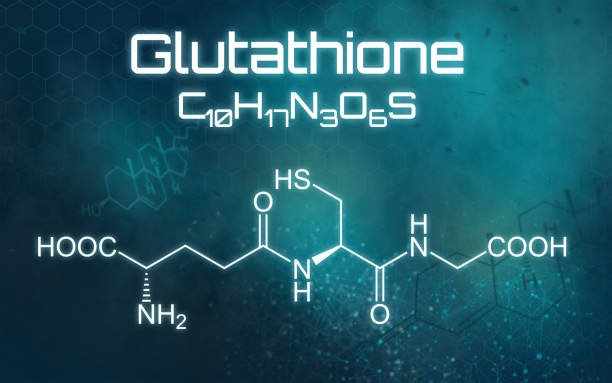
A Brief History of Both Delivery Technologies
Liposomes were first described scientifically in the 1960s by British hematologist Alec Bangham, and pharmaceutical scientists have used liposomal encapsulation for decades to help fragile or poorly-absorbed compounds survive digestion, long before liposomal glutathione supplements became popular. Applying that same technique to glutathione is a relatively recent commercial development, driven by growing consumer interest in raising glutathione levels without IV therapy.
RiboCeine has a narrower, more traceable origin. Dr. Herbert T. Nagasawa, a medicinal chemist at the University of Minnesota, spent decades studying how to protect L-cysteine from breaking down before reaching the liver. His research group’s foundational 1987 paper in the Journal of Medicinal Chemistry on ribose-cysteine prodrugs, viewable through ACS Publications, eventually led to RiboCeine being licensed to Max International and formulated into Cellgevity.
What Is Liposomal Glutathione?
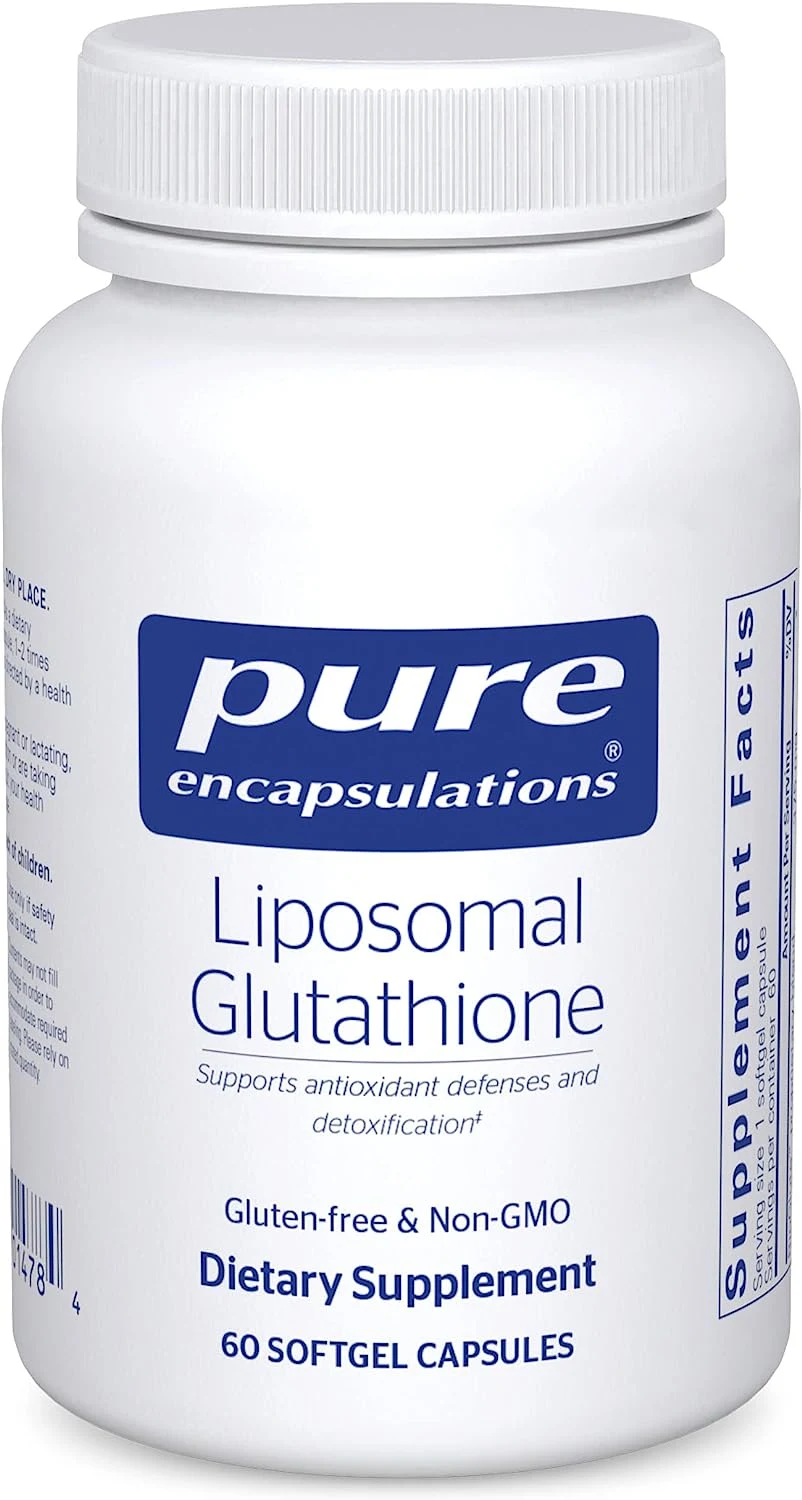
Liposomal glutathione takes reduced glutathione, the finished antioxidant molecule, and encapsulates it inside a liposome, a microscopic sphere made of phospholipids similar to the membrane surrounding your own cells. The idea is that this fatty shell protects the glutathione from being broken down by stomach acid and digestive enzymes, allowing more of it to reach the bloodstream intact than plain oral glutathione would.
According to a report in the Townsend Letter, a case series using a specific liposomal glutathione formulation (CELLg8) found participants’ blood glutathione levels rose by an average of 22% above baseline, alongside a 39% decrease in blood mercury levels over 30 days in the individuals studied. That is a genuinely useful data point, though it is worth noting this was a small case series rather than a large randomized controlled trial.
What Is RiboCeine™ Technology?

RiboCeine, the compound behind Cellgevity, takes a completely different route. Rather than delivering finished glutathione, it delivers D-ribose-L-cysteine, a patented (US Patent #8,501,700) compound that pairs cysteine with a ribose sugar to protect it through digestion. Cysteine is the amino acid that limits how quickly your own cells can synthesize new glutathione, so RiboCeine’s job is to get more usable cysteine into cells rather than trying to import glutathione itself.
Liposomal Glutathione vs RiboCeine: Why the Delivery Mechanism Matters
This is the central scientific question here. Glutathione itself is a tripeptide, a chain of three amino acids, and some researchers have questioned how much of an orally ingested glutathione molecule, liposomal or not, actually survives digestion intact versus being broken back down into its component amino acids before absorption. RiboCeine sidesteps this question by not relying on the intact molecule surviving at all. It only needs to deliver cysteine, a single amino acid, which is a structurally simpler task.
That said, liposomal delivery is a well-established pharmaceutical technique used for other compounds beyond glutathione, and it is not fair to dismiss it outright. A 2026 study published in the peer-reviewed journal Antioxidants directly compared a micellar glutathione formulation, a liposomal formulation (Setria Glutathione), and standard glutathione, and found measurable differences in absorption and antioxidant marker changes between the delivery methods, which supports the idea that formulation technology genuinely affects outcomes. You can read that study on MDPI Antioxidants.
The Research Behind Each: A Direct Look
Neither side of this comparison has a perfect, definitive body of evidence, but both have real, citable research behind them:
- Liposomal glutathione: A study in the British Journal of Nutrition found a liposomal glutathione formulation (LipoDuo) raised blood glutathione levels more than plain glutathione powder in healthy adults over a multi-week supplementation period. Separately, an oral mucosal absorption study published on PubMed Central examined how glutathione is absorbed through the mouth lining as an alternative delivery route, adding another data point to how formulation choices affect uptake.
- RiboCeine: According to PubMed, ribose-cysteine supplementation significantly raised glutathione-based antioxidant status and reduced LDL and oxidized lipid markers in a controlled trial (Kader et al., 2014, Atherosclerosis), viewable on PubMed. A separate PubMed-indexed study found D-ribose-L-cysteine improved glutathione levels and reduced neuronal damage following induced neurotoxicity, viewable on PubMed. In 2024, PRUVN Research LLC announced preliminary human trial results on RiboCeine and serum glutathione in a 40-person study, adding to a base of more than 55 prior peer-reviewed, primarily animal-model studies; see the announcement on PR Newswire.
It is worth being transparent about a methodological debate too: some researchers have publicly challenged how certain liposomal glutathione studies measured “whole blood” glutathione, arguing the method may overstate real absorption gains, a critique that has been reported by outlets like Yahoo Finance. This kind of scientific back-and-forth is normal and worth knowing about rather than taking any single manufacturer’s claim, on either side, entirely at face value.
What Each Technology’s Research Actually Measured
How to Evaluate Supplement Research Yourself
Whichever side of this comparison you lean toward, a few questions are worth asking about any study a brand cites: Was it published in a peer-reviewed journal, or only a press release? How many people were studied, and was there a control group? Did the study measure a real health outcome, or only a blood marker? Applying these questions evenly to both liposomal glutathione and RiboCeine research is the fairest way to judge either one, rather than relying on marketing copy alone.
Ingredients and Formulation
Most liposomal glutathione products are single-ingredient formulas: glutathione plus the phospholipid shell, sometimes with added vitamin C as a co-antioxidant. Cellgevity takes a broader formulation approach, combining RiboCeine with 12 additional nutrients, including Aloe Vera, Black Pepper Extract, Turmeric Root Extract, and Alpha Lipoic Acid, each intended to support glutathione’s different roles in the body rather than acting as a single isolated compound.
Side Effects and Safety
Liposomal glutathione is generally well tolerated, with occasional reports of mild stomach upset or a metallic taste, depending on the formulation and flavoring used. RiboCeine-based Cellgevity is more commonly associated with mild, temporary “detox” symptoms in the first one to two weeks, such as headache and fatigue; see our full breakdown in Cellgevity Side Effects: What to Actually Expect. Neither category is well studied in pregnancy, and anyone on prescription medication, particularly the CYP3A4-metabolized drugs affected by Cellgevity’s black pepper extract, should talk to a doctor before starting either one.
Cost Comparison
Liposomal glutathione pricing varies enormously by brand, typically ranging from budget options to premium liquid formulations costing well over ₦70,000 per bottle in Nigeria, depending on concentration and brand reputation. Cellgevity’s 120-capsule bottle currently costs ₦122,000; see our full Cellgevity price breakdown for 2026. Because liposomal products vary so widely in glutathione concentration per serving, a direct cost-per-milligram comparison is difficult to make fairly across brands, which is another reason a true apples-to-apples cost comparison does not really exist yet.
Liposomal Glutathione vs RiboCeine: Which Should You Choose?
Consider Liposomal Glutathione if…
- You prefer supplementing the finished antioxidant directly
- You want a liquid or softgel format
- You are drawn to the blood-level research on formulations like CELLg8 or LipoDuo
Consider RiboCeine (Cellgevity) if…
- You prefer supporting your body’s own glutathione production
- You want a certified, multi-ingredient formula
- You want a technology with a growing human clinical trial base
There is no single right answer here, since no published trial has tested the two head-to-head. What matters most is picking a reputable, third-party-tested product either way, since formulation quality varies enormously across both categories.
Frequently Asked Questions
Has anyone directly studied liposomal glutathione vs RiboCeine?
No published, peer-reviewed head-to-head trial directly compares the two as of 2026. Each has its own separate research base tested against different baselines (plain glutathione or NAC, respectively).
Can I take liposomal glutathione and Cellgevity together?
There is no established danger in combining them, but there is no research on combined use either, and doing so is unlikely to be more effective than either technology alone. Speak with a healthcare provider before combining supplements.
Is liposomal glutathione absorbed better than plain glutathione?
Several published studies suggest liposomal formulations raise blood glutathione levels more than plain glutathione powder, though the exact scale of the benefit varies by study and formulation.
Why doesn’t RiboCeine just deliver glutathione directly?
RiboCeine’s developers focused on cysteine delivery because cysteine, not glutathione itself, is the rate-limiting ingredient your cells need to make their own glutathione, which some researchers argue is a more efficient target than importing the finished molecule.
Which one is cheaper, liposomal glutathione or Cellgevity?
It depends heavily on the specific liposomal brand and concentration, since pricing and dosing vary widely across that category. There is no single fair average to compare against Cellgevity’s fixed pricing.
See RiboCeine™ for Yourself
Try Cellgevity, the RiboCeine-based formula with a growing research base.
Shop Cellgevity NowRelated Reading
- Cellgevity vs NAC: Which Raises Glutathione Better?
- Cellgevity Side Effects: What to Actually Expect
- Cellgevity: Boosting Your Immune System with Patented RiboCeine Technology
- 11 Best Glutathione Supplements (Tested u0026 Ranked)
- The Ultimate Guide to Glutathione Supplements
- Support Your Energy Metabolism at the Cellular Level with Cellgevity
About Author
