
Stronger Cells for Better Daily Wellness | Cellgevity
Stronger cells for better daily wellness: the real science on glutathione, immune function, cellular energy, and how Cellgevity's RiboCeine fits in.

Stronger cells for better daily wellness is not just a marketing phrase, it reflects a real, well-documented idea in biology: nearly every symptom people associate with “feeling off”, fatigue, slow recovery, frequent colds, dull skin, traces back to how well individual cells are functioning. This guide looks at the actual science behind cellular health, why it drives daily wellness more than most people realize, and how Cellgevity’s RiboCeine™ technology is designed to support it.
What “Stronger Cells” Actually Means
Every tissue in your body, skin, muscle, brain, immune system, is made of cells, and those cells are only as resilient as their internal environment allows. Cellular strength, in the biological sense, comes down to a few measurable factors: mitochondrial function (how efficiently a cell produces energy), oxidative balance (how well a cell manages free radicals versus antioxidants), and the cell’s capacity to repair and regenerate its own membranes, proteins, and DNA.
When these systems are running well, the downstream effect is what people describe as “feeling good”: steady energy, clear thinking, resilient skin, and an immune system that responds appropriately to real threats without overreacting to harmless ones. When they are not, the symptoms tend to be vague and easy to dismiss individually, fatigue, occasional brain fog, slower healing, even though they share a common underlying thread.
The Free Radical Problem Behind Daily Wellness
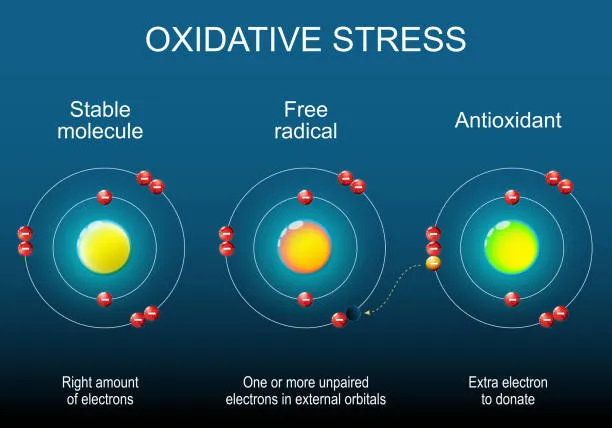
Free radicals are unstable molecules generated naturally through metabolism, and in higher amounts through pollution, UV exposure, processed food, and stress. Left unchecked, they damage cell membranes, proteins, and DNA, a state called oxidative stress. According to a peer-reviewed review on PubMed Central, glutathione is often referred to as the body’s “master antioxidant” because it directly neutralizes free radicals and also regulates other antioxidants like vitamins C and E; you can read that review on PubMed Central. The same review notes that low glutathione and elevated ratios of oxidized-to-reduced glutathione are common markers seen in chronic illness and advancing age. Managing this balance well is the biochemical foundation of daily wellness.
Stronger Cells for Better Daily Wellness: The Immune Connection
Glutathione’s role in immune function is one of the most consistently documented parts of the research. A peer-reviewed review published on PubMed Central found that glutathione modulates the activation, metabolism, and cytokine release of macrophages, natural killer cells, and T and B lymphocytes, the core cells of the immune system, and that adequate intracellular glutathione is required for proper lymphocyte differentiation; that review is available on PubMed Central. The same body of research notes that healthy individuals with relatively low lymphocyte glutathione have been found to have significantly lower immune cell counts, underscoring how directly cellular antioxidant status and immune resilience are linked. In practical terms, this is part of why glutathione status is discussed in research on infection resilience, not just antioxidant activity in isolation.
Where Glutathione Supports Daily Wellness
Cellular Health and Skin: The Visible Side of Stronger Cells
Skin is often the first place people notice cellular strain, since skin cells turn over rapidly and are directly exposed to UV radiation and environmental pollutants, two major sources of free radical load. Because glutathione supports DNA and protein repair processes at the cellular level, it plays a role in how skin cells recover from that daily exposure. This is separate from, and should not be confused with, glutathione’s marketed use for skin lightening; the mechanism discussed here is about cellular repair capacity, not pigmentation.
How Cellgevity Supports Stronger Cells
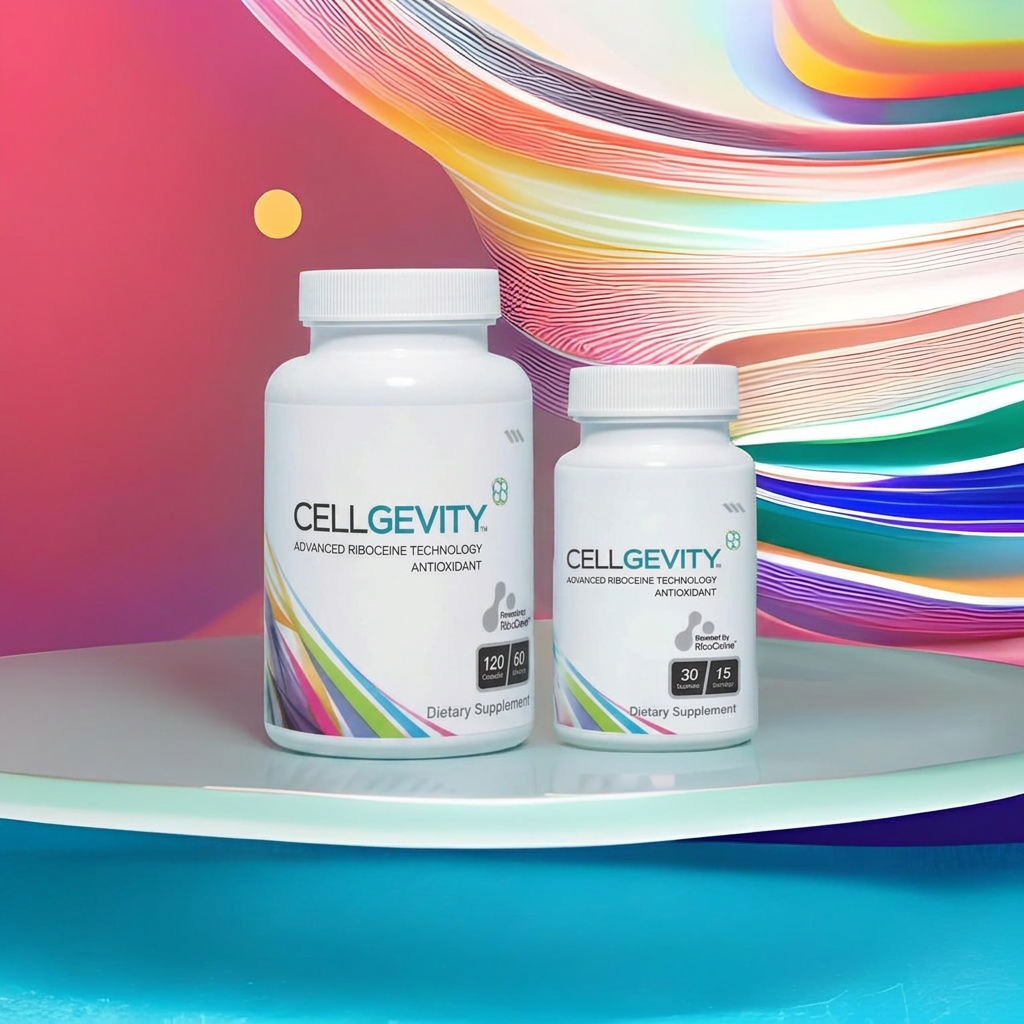
Cellgevity is built around RiboCeine™, a patented (US Patent #8,501,700) compound that delivers cysteine, the rate-limiting building block for glutathione synthesis, in a protected form. Liver-cell research has shown RiboCeine raising glutathione levels considerably more than NAC at a lower concentration; see our full Cellgevity vs NAC comparison for that data. A peer-reviewed study in Atherosclerosis found ribose-cysteine supplementation significantly raised glutathione-based antioxidant status in a controlled human trial, viewable on PubMed (Kader et al., 2014). In 2024, PRUVN Research LLC also announced preliminary human clinical trial results on RiboCeine and serum glutathione levels; you can read that announcement on PR Newswire.
The Full Formula: 13 Ingredients Working Together
Cellgevity combines RiboCeine with 12 additional nutrients rather than relying on a single compound:
- Alpha Lipoic Acid – a mitochondrial cofactor shown in peer-reviewed research to directly raise ATP levels in cell models; see our energy metabolism guide for that data.
- Turmeric Root Extract – supports the body’s anti-inflammatory response, reducing chronic low-grade cellular stress.
- Black Pepper Extract (piperine) – included to enhance absorption of the other ingredients.
- Aloe Vera – supports digestive and gut health.
- Selenium and Vitamin B6 – cofactors for the enzymes involved in glutathione synthesis and recycling.
Signs Your Cells May Need More Support
- Persistent fatigue not explained by sleep or stress
- Slow recovery from exercise, illness, or minor injuries
- Frequent colds or infections
- Dull skin or slow wound healing
- Brain fog or difficulty concentrating
These are general wellness signals, not a diagnosis. Persistent or severe symptoms should always be evaluated by a healthcare provider.
Daily Habits That Support Cellular Strength
Supplementation works best alongside the basics. Consistent, sufficient sleep supports the cellular repair processes that largely happen overnight. A diet built around vegetables, lean protein, and healthy fats supplies the raw materials, including natural sulfur-containing amino acids, that glutathione synthesis depends on. Regular movement supports mitochondrial density over time, meaning more of the cellular machinery responsible for producing energy. Reducing exposure to tobacco, excess alcohol, and unnecessary environmental toxins lowers the overall free radical load your cells have to manage each day. None of this replaces medical care for a diagnosed condition, but it is the foundation any supplement, including Cellgevity, is meant to support, not replace.
What the Research Does Not Yet Show
In the interest of accuracy: the studies referenced throughout this article establish glutathione’s role in immune function, mitochondrial protection, and antioxidant status, and RiboCeine’s ability to raise glutathione levels. No published clinical trial has tested Cellgevity itself against a placebo for a specific daily-wellness outcome like reduced sick days or measured energy scores. The underlying biochemistry is well documented; a Cellgevity-specific outcomes trial measuring those exact endpoints is not.
Frequently Asked Questions
How does cellular health affect daily energy levels?
Mitochondria, the energy-producing structures inside cells, generate ATP through a process that also creates reactive oxygen species. Glutathione neutralizes those byproducts; when glutathione is low, that same process becomes less efficient and more damaging, which can show up as fatigue.
Can diet alone build stronger cells for better daily wellness?
Diet is a major factor, since sulfur-containing amino acids from food are a building block for glutathione synthesis, but factors like age, stress, and toxin exposure also affect glutathione levels independently of diet.
How long does it take to notice a difference with Cellgevity?
This varies by individual and is not established by Cellgevity-specific clinical trial data. Some users report noticing changes within a few weeks, but this is anecdotal rather than a documented, measured timeline.
Is Cellgevity safe to take daily, long-term?
Cellgevity is BSCG Certified and generally well tolerated; see our full side effects guide for details, including who should use caution and speak with a doctor first.
Does aging affect how strong your cells are?
Yes, glutathione levels and mitochondrial efficiency both naturally decline with age, which is part of why cellular antioxidant support is discussed as a piece of healthy aging; see our guide on aging well for more on this connection.
Build Stronger Cells for Better Daily Wellness
Try Cellgevity, built on research-backed RiboCeine™ technology.
Shop Cellgevity NowRelated Reading
- Support Your Energy Metabolism at the Cellular Level with Cellgevity
- Cellgevity vs NAC: Which Raises Glutathione Better?
- Cellgevity Side Effects: What to Actually Expect
- What Does ‘Aging Well’ Actually Mean in the Nigerian Context in 2026?
- How to Manage Stress Naturally with Antioxidants
- Cellgevity and Women’s Health: 7 Natural Hormonal Balance Tips That Work
About Author
