
10 Proven Ways to Stay Energized During Long Workdays — Boost Focus Naturally
10 proven, evidence-backed ways to stay energized during long workdays and boost focus naturally, backed by real research on breaks, hydration, and energy.

The 2pm slump is not in your head. There is real, measurable science behind why energy and focus dip during long workdays, and, more usefully, real research behind what actually helps. This guide covers 10 proven, evidence-backed ways to stay energized during long workdays and boost focus naturally, without relying on a fifth cup of coffee, plus an honest look at where cellular-level antioxidant support like Cellgevity fits into the bigger picture.
Why Energy and Focus Actually Dip During Long Workdays
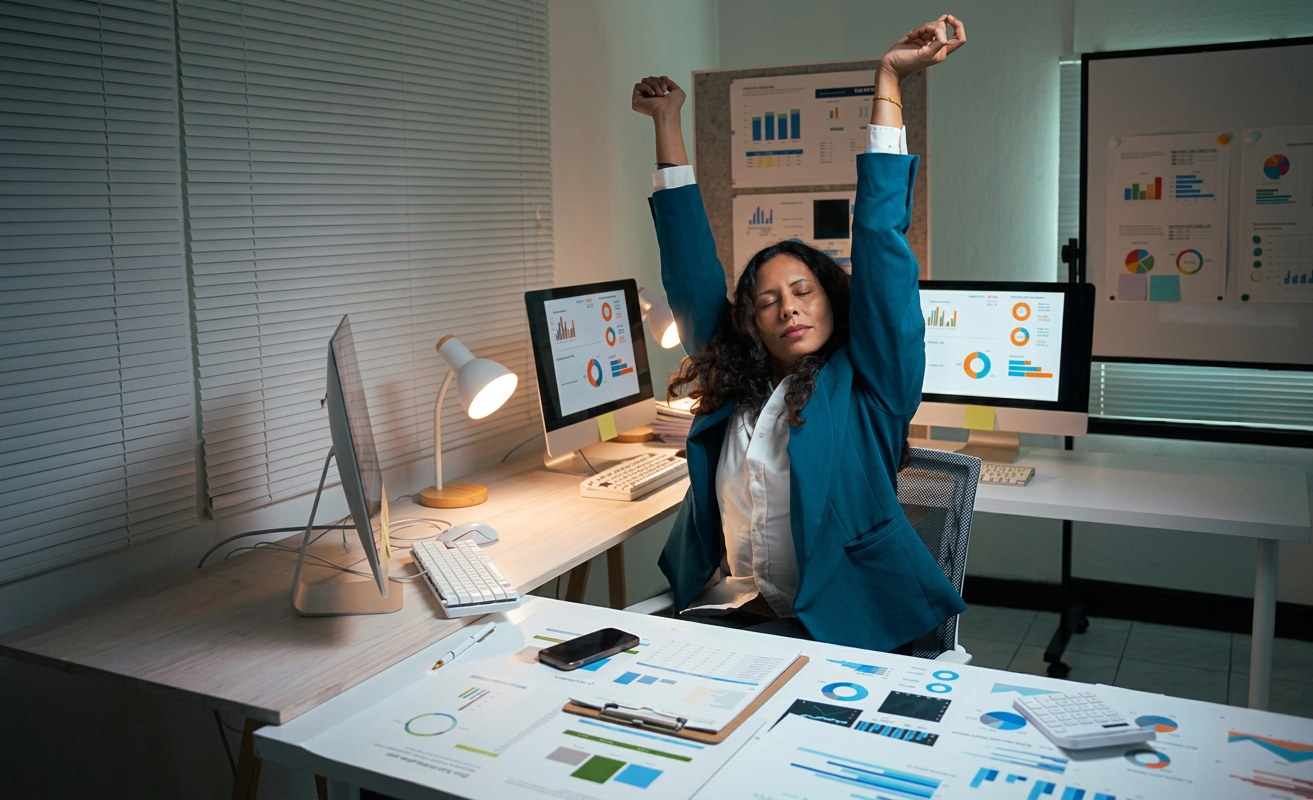
Several overlapping factors converge in the early-to-mid afternoon: a natural dip in circadian alertness, blood sugar fluctuations after lunch, accumulated mental fatigue from sustained focus, and, for many people, mild dehydration that builds up unnoticed over the day. None of these are signs of poor willpower, they are predictable physiological patterns, which is exactly why targeted, evidence-based strategies work better than simply pushing through.
10 Proven Ways to Stay Energized During Long Workdays
1. Take Strategic Microbreaks
A 2022 meta-analysis published in PLOS ONE examined the effects of workday microbreaks and found they were associated with significantly increased vigor and decreased fatigue, with the effect stronger for breaks lasting under 10 minutes and those involving relaxation or a brief walk rather than staying at the desk; that meta-analysis is available on PLOS ONE. A short, deliberate break every 60 to 90 minutes outperforms working straight through and crashing. A simple reminder, set on a phone or calendar, is often enough to build the habit until it becomes automatic.
2. Stay Consistently Hydrated
A study published in the British Journal of Nutrition found that mild dehydration, as little as 1-2% of body water loss, measurably impaired cognitive performance and mood in young men, including increased fatigue and reduced concentration; that study is available via Cambridge Core. Keeping water at your desk and drinking consistently, rather than only when thirsty, is one of the simplest, most evidence-backed levers available. A visible bottle at eye level tends to prompt more consistent sipping than a habit that depends purely on remembering to get up and refill from further away.
3. Get Natural Light Exposure
Circadian alertness is heavily influenced by light exposure. Stepping outside, or sitting near a window, during the workday helps reinforce the light-dark signaling your circadian rhythm depends on for alertness, particularly useful for counteracting the natural early-afternoon dip discussed above.
4. Move Your Body Regularly
The same microbreak research found breaks involving physical movement or a short walk showed stronger benefits for reducing fatigue than passive breaks. Movement increases blood flow and, according to research on mitochondrial function, supports the cellular energy systems discussed later in this article.
5. Time Your Caffeine Strategically
A peer-reviewed review of caffeine’s cognitive effects found it reliably improves alertness and reaction time at moderate doses, but also found that late-day consumption can disrupt sleep quality that night, undermining next-day energy; that review is available via ScienceDirect. Concentrating caffeine intake earlier in the day, rather than continuously through the afternoon, is the more evidence-aligned approach.
6. Manage Blood Sugar With Balanced Meals
Large, refined-carbohydrate-heavy meals are more likely to produce a sharp post-meal energy crash than meals balanced with protein, fiber, and healthy fats. Pairing carbohydrates with protein at lunch is a simple, practical way to blunt the blood sugar swing behind much of the classic afternoon slump. A handful of nuts, an egg, or a portion of grilled chicken alongside rice or bread is enough to make a measurable difference without requiring a full diet overhaul.
7. Protect Your Peak Cognitive Hours
Most people have identifiable hours of peak alertness, often mid-morning for many chronotypes, and scheduling demanding, focus-heavy tasks during that window, while reserving routine or low-focus tasks for natural energy dips, works with your biology rather than against it.
8. Practice Brief Breathing or Mindfulness Resets
A few minutes of slow, paced breathing between tasks activates the parasympathetic nervous system and has been shown in controlled research to lower cortisol when combined with other recovery practices; see our full stress and antioxidants guide for that research in detail. Mental fatigue and physical fatigue share overlapping mechanisms, and brief resets address both.
9. Support Cellular Energy Production Nutritionally
Behavioral strategies address the moment-to-moment slump; this one addresses the underlying cellular machinery. Mitochondria generate the ATP your cells run on, and that process also produces reactive oxygen species that glutathione is responsible for neutralizing; see our full energy metabolism at the cellular level guide for that mechanism. A diet rich in the nutrients this process depends on, and for some people, targeted antioxidant supplementation, supports the cellular foundation the other nine strategies are built on top of.
10. Prioritize Consistent Sleep
No daytime strategy fully compensates for insufficient sleep. Cellular repair and antioxidant regeneration happen largely during sleep, and a consistent sleep schedule, not just total hours, supports next-day energy and focus more reliably than an inconsistent one.
Microbreak Research: Effect on Vigor and Fatigue
Environmental Factors Most People Overlook
Beyond behavior, the physical work environment itself affects energy and focus in ways that are easy to miss. Poor air circulation and elevated indoor CO2 levels have been linked in research to reduced cognitive performance, particularly on tasks requiring sustained attention and decision-making. Office temperature matters too: rooms that are too warm are consistently associated with drowsiness, while temperatures that are too cold can create a distracting physical discomfort of their own. Screen glare and poor lighting contribute to eye strain, which compounds mental fatigue over a long workday even when the underlying task itself is not especially demanding. None of these require expensive fixes, opening a window periodically, adjusting a thermostat, or repositioning a screen to reduce glare are low-cost adjustments with a real, if modest, effect on sustained energy and focus.
Boost Focus Naturally: The Science of Sustained Attention
Focus and energy are related but distinct. You can feel physically awake but mentally scattered, a state researchers link to attentional fatigue, the gradual depletion of the brain’s capacity for sustained, directed attention over hours of continuous cognitive work. The same microbreak and hydration research cited above applies directly here: sustained attention recovers with brief rest, not with pushing through, and dehydration measurably degrades concentration specifically, not just general alertness. Reducing task-switching and batching similar work together also reduces the cognitive cost of constantly re-orienting attention, a documented drain on focus separate from simple tiredness. Notifications are a particularly underrated contributor here: even a brief glance at a phone or chat alert forces the brain to re-establish context afterward, meaning frequent small interruptions can cost more cumulative focus over a day than a single longer break ever would.
Building These 10 Ways Into a Realistic Workday
| Time of Day | Action |
|---|---|
| Morning | Get natural light early; front-load your most demanding, focus-heavy task |
| Mid-morning | First microbreak; hydrate consistently rather than only when thirsty |
| Lunch | Balanced meal with protein and fiber, not just refined carbohydrates |
| Early afternoon | Short walk or movement break; last caffeine of the day if you drink it |
| Mid-afternoon | Brief breathing reset between tasks; batch similar low-focus work together |
| Evening | Consistent wind-down and bedtime to protect next-day energy |
None of these ten ways need to be implemented perfectly or all at once. Picking two or three to start, hydration and microbreaks are usually the easiest entry points, tends to build more lasting change than attempting a complete overhaul in a single week. Track how you feel over a full week rather than a single day, energy and focus naturally fluctuate with sleep quality, workload, and stress from one day to the next, so a single rough afternoon does not mean a strategy has failed.
Common Myths About Workday Energy
- “More caffeine always equals more energy.” As covered above, the research shows a ceiling effect and a real sleep-disruption cost to late-day intake, meaning more is not simply better.
- “Skipping breaks gets more done.” The meta-analysis cited in this article found the opposite: strategic breaks measurably increased vigor and reduced fatigue, supporting sustained output rather than working against it.
- “Feeling tired at 2pm means something is wrong with you.” A circadian dip in alertness during early afternoon is a normal, well-documented physiological pattern, not a personal failing.
- “Energy supplements can replace sleep.” No supplement, including Cellgevity, addresses the specific biological repair functions that occur during sleep; this is one of the clearer boundaries in the research discussed throughout this article.
Signs Your Fatigue May Need More Than Lifestyle Changes
- Persistent fatigue that does not improve with rest, hydration, or sleep changes
- Fatigue accompanied by other symptoms, such as unexplained weight change, mood changes, or pain
- Falling asleep involuntarily during the day
- Fatigue that has developed suddenly or worsened significantly
The strategies in this article address common, everyday workday fatigue. Persistent or unusual fatigue can also indicate a medical condition, including thyroid issues, anemia, or sleep disorders, and should be evaluated by a doctor rather than addressed through lifestyle changes alone. A useful rule of thumb: if two to three weeks of consistently applying the strategies above produce no noticeable improvement, that is a reasonable point to raise the pattern with a doctor rather than continuing to adjust habits indefinitely on your own.
Where Cellgevity Fits Into an Energized Workday

Cellgevity is built around RiboCeine™, a patented (US Patent #8,501,700) compound that delivers cysteine, the rate-limiting building block for glutathione synthesis, in a protected form. Liver-cell research has shown RiboCeine raising glutathione levels considerably more than NAC at a lower concentration; see our full Cellgevity vs NAC comparison for that data. Cellgevity also includes Alpha Lipoic Acid, shown in peer-reviewed research to directly raise ATP levels in cell models, the same cellular energy pathway discussed in tip 9 above. A peer-reviewed study in Atherosclerosis found ribose-cysteine supplementation significantly raised glutathione-based antioxidant status in a controlled human trial, viewable on PubMed (Kader et al., 2014).
To be direct about scope: no published clinical trial has tested Cellgevity itself against a placebo for workday energy or focus outcomes specifically. The connection here is the general cellular energy biochemistry discussed throughout this article, not a specific productivity claim. The nine behavioral strategies above are the primary, directly evidence-backed levers; cellular antioxidant support is a complementary piece, not a substitute for them. If you try one thing from the antioxidant side of this article, pairing it with the behavioral changes above, rather than instead of them, is the approach the evidence actually supports.
Frequently Asked Questions
What is the single most effective way to stay energized during long workdays?
The research does not point to one single fix; hydration and strategic microbreaks are the two most consistently evidence-backed, lowest-effort starting points, according to the studies cited in this article.
Does caffeine actually help focus, or just feel like it does?
Peer-reviewed research confirms caffeine reliably improves alertness and reaction time at moderate doses. The caveat is timing: late-day intake can disrupt sleep, which undermines the next day’s energy more than it helps the current one.
How long should a microbreak be to actually help?
The meta-analysis cited in this article found breaks under 10 minutes, particularly those involving relaxation or brief movement, showed stronger benefits than longer or purely passive breaks.
Can Cellgevity replace sleep or hydration for energy?
No. As covered throughout this article, the behavioral strategies (sleep, hydration, movement, breaks) are the primary evidence-backed levers for workday energy. Cellular antioxidant support is a complementary piece, not a substitute for any of them.
Support Your Cellular Energy
Explore Cellgevity, built on research-backed RiboCeine™ technology.
Shop Cellgevity NowRelated Reading
- Support Your Energy Metabolism at the Cellular Level with Cellgevity
- How to Manage Stress Naturally with Antioxidants
- Oxidative Stress Explained: What Happens Inside Your Cells?
- Cellgevity vs NAC: Which Raises Glutathione Better?
About Author
