
How to Manage Stress Naturally with Antioxidants
How to manage stress naturally with antioxidants: the real science linking cortisol to oxidative damage, natural techniques, and where Cellgevity fits.

Racing thoughts, tight shoulders, and a body that will not quite relax even when nothing is actively wrong, most people call this stress and leave it there. But learning how to manage stress naturally with antioxidants starts with understanding what stress actually does at the cellular level: it does not just feel bad, it triggers a measurable chain reaction of hormones and free radicals that, left unmanaged, does real biological damage over time. This guide covers the real science connecting stress to oxidative damage, natural techniques with actual research behind them, and where antioxidant support like Cellgevity fits in.
The Science: How Stress Becomes Oxidative Damage
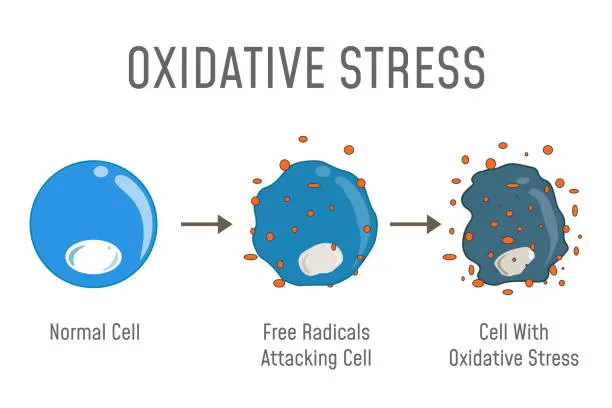
When you encounter a stressor, your hypothalamic-pituitary-adrenal (HPA) axis activates, triggering the release of cortisol. According to a peer-reviewed review on PubMed Central, this process, repeated chronically, activates the sympathetic nervous system and HPA axis in a way that leads to inflammation and oxidative stress; the excessive cortisol released during prolonged stress directly contributes to increased free radical production. You can read that review on PubMed Central. A separate study published on PubMed, involving caregivers under chronic stress, found significant links between cortisol reactivity and markers of oxidative damage to DNA and RNA; that study is available on PubMed.
How Chronic Stress Leads to Oxidative Damage
Non-Supplement Ways to Manage Stress Naturally
Before antioxidants, the most direct lever is reducing the stress response itself. A 2023 randomized controlled trial published in Frontiers in Physiology tested aerobic exercise alone against aerobic exercise combined with slow deep breathing and mindfulness meditation over 6 weeks. The combined group showed significantly lower cortisol levels (p=0.01) than exercise alone; you can read that trial on PubMed Central. Separately, a review on breathwork and stress reduction found that slow breathing at around six breaths per minute is specifically associated with improved oxygen saturation and reduced emotional volatility under stress; that review is available via News-Medical.
- Slow, paced breathing (around 6 breaths per minute) to activate the parasympathetic nervous system
- Regular aerobic exercise, shown to lower cortisol on its own and more when combined with breathing and mindfulness practice
- Consistent sleep, since sleep deprivation independently raises cortisol and oxidative stress markers
- Mindfulness or meditation practice, which the research above links to measurable, not just subjective, stress reduction
Sleep and Cortisol: The Overnight Repair Window
Sleep deserves its own section because the research treats it as more than “rest”, it is an active repair window. Cortisol naturally follows a daily rhythm, peaking shortly after waking and declining through the evening; poor or insufficient sleep disrupts this rhythm and keeps cortisol elevated at times it should be falling, according to the chronic stress research discussed above. Since oxidative damage tracks closely with cortisol exposure, a consistent sleep schedule is not a soft wellness suggestion, it is one of the more direct, low-cost ways to manage stress naturally with antioxidants working alongside it rather than fighting an uphill battle against constantly elevated cortisol.
How to Manage Stress Naturally with Antioxidants
Alongside behavioral changes, supporting your body’s own antioxidant defenses is the other half of the equation. According to the same peer-reviewed review cited above, several antioxidant compounds have shown the most promising results specifically for stress-related and cortisol-driven oxidative damage: Vitamin E, coenzyme Q10 (CoQ10), melatonin, polyphenols, curcumin, and selenium. You can review that full list on PubMed Central. Among all antioxidants, though, glutathione holds a distinct position: according to a separate peer-reviewed review, it is often called the body’s “master antioxidant” because it directly neutralizes free radicals and also regulates and recycles other antioxidants like vitamin C and E; that review is available on PubMed Central.
Natural Food Sources That Support Antioxidant Status
Before any supplement, diet is the foundation. Glutathione synthesis depends on sulfur-containing amino acids found in foods like garlic, onions, cruciferous vegetables (broccoli, cabbage, cauliflower), and lean protein. Curcumin, one of the antioxidants specifically named in the stress research above, comes from turmeric. Polyphenols are abundant in colorful fruits and vegetables, tea, and cocoa. A consistently poor diet does not just fail to help, it removes the raw materials your body needs to manage the oxidative side of stress on its own. Vitamin E, another antioxidant named specifically in the stress research above, is found in nuts, seeds, and vegetable oils, while selenium is present in Brazil nuts, fish, and eggs. None of these foods need to be consumed in unusual quantities; the research supports a generally varied, whole-food diet over any single “superfood” fix.
Common Stress Triggers That Compound Oxidative Load
Not all stress comes from obvious sources like work deadlines or major life events. Several everyday factors add to the same cortisol and oxidative-stress pathway described earlier, often without being recognized as “stress” at all: irregular meal timing and blood sugar swings, excessive caffeine late in the day, constant digital notifications and fragmented attention, poor air quality and pollution exposure, and unresolved financial or relationship strain. None of these need to be eliminated entirely to make a difference; the research above suggests that reducing the cumulative load, rather than achieving a stress-free life, is the realistic and evidence-backed goal.
Where Cellgevity Fits In
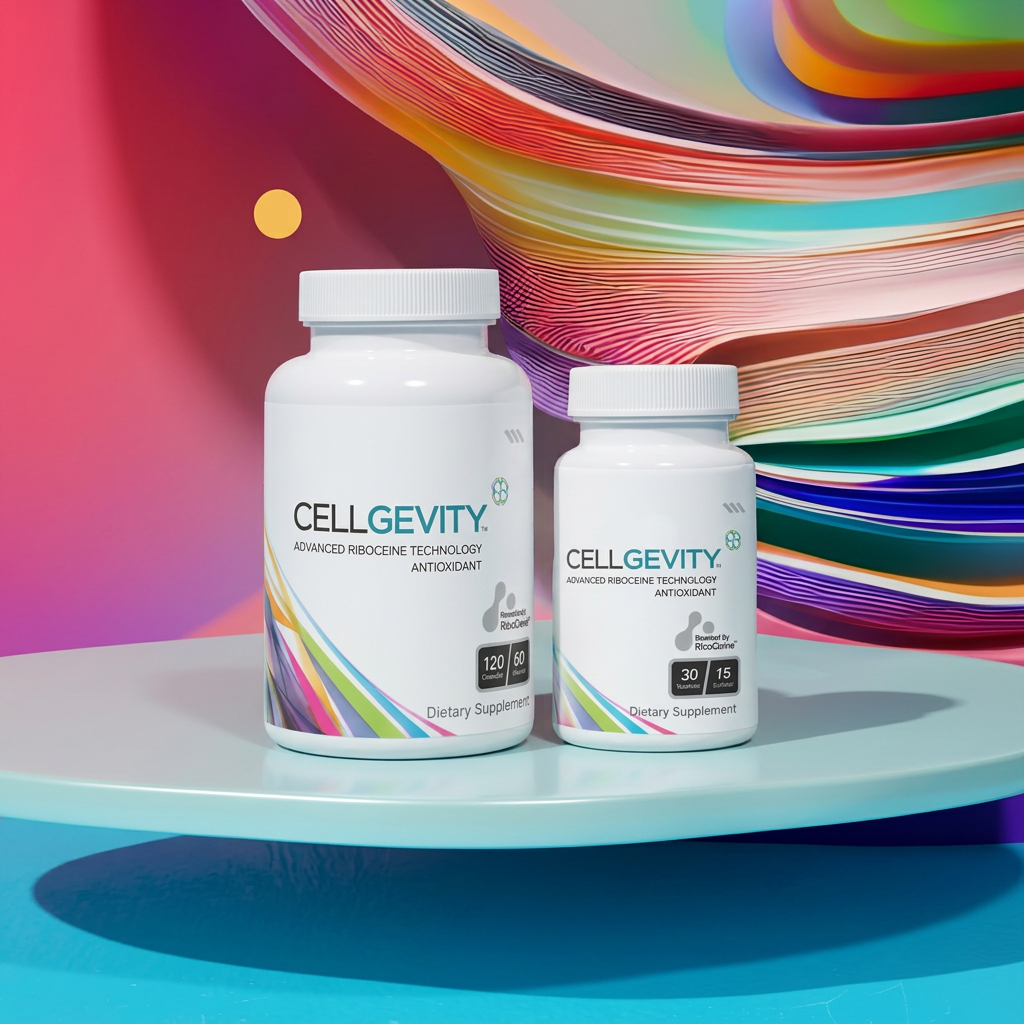
Cellgevity is built around RiboCeine™, a patented (US Patent #8,501,700) compound that delivers cysteine, the rate-limiting building block for glutathione synthesis, in a protected form. Liver-cell research has shown RiboCeine raising glutathione levels considerably more than NAC at a lower concentration; see our full Cellgevity vs NAC comparison for that data. A peer-reviewed study in Atherosclerosis found ribose-cysteine supplementation significantly raised glutathione-based antioxidant status in a controlled human trial, viewable on PubMed (Kader et al., 2014). Cellgevity also includes Turmeric Root Extract, the curcumin source named in the stress-oxidative research above, alongside Alpha Lipoic Acid and 11 other supporting nutrients.
Applying This in a Nigerian Context
Stress in Nigeria carries some specific, well-documented pressures on top of the universal ones covered above: long commute times in cities like Lagos and Abuja, unreliable power supply disrupting sleep and routines, economic pressure from inflation, and the general cost and access barriers to consistent healthcare. None of this changes the underlying biology, cortisol and oxidative stress work the same way everywhere, but it does mean the practical starting point matters. Learning to manage stress naturally with antioxidants in this context often starts with the lowest-cost, most accessible levers first: consistent sleep timing where possible, the food-based antioxidant sources discussed above (many already common in Nigerian cuisine, such as garlic, onions, and leafy vegetables), and short breathing practices that require no equipment or membership.
Single Antioxidants vs. a Combination Formula
A reasonable question at this point: should you take an individual antioxidant like Vitamin E or CoQ10, or a broader formula? The research cited earlier names several antioxidants with independent evidence for stress-related oxidative damage, and there is nothing wrong with targeting one specifically if a healthcare provider recommends it for a particular need. The case for a broader, glutathione-centered approach comes from glutathione’s regulatory role: because it helps recycle vitamins C and E back into their active forms rather than acting in isolation, supporting glutathione status can have a multiplying effect across the other antioxidants already in your diet, rather than adding one more isolated compound on top. This is part of the reasoning behind formulas like Cellgevity that combine RiboCeine with several supporting nutrients rather than a single isolated ingredient.
Signs Chronic Stress May Be Taking an Oxidative Toll
- Persistent fatigue that does not resolve with rest
- Frequent illness, since chronic stress and oxidative damage both affect immune function
- Brain fog or difficulty concentrating
- Sleep that feels unrefreshing even when duration is adequate
- Slower recovery from minor illness or physical exertion
These are general wellness signals, not a diagnosis. Persistent stress-related symptoms, or symptoms of anxiety or depression, should be evaluated by a healthcare provider or mental health professional.
Building a Simple Daily Routine to Manage Stress Naturally with Antioxidants
Pulling everything above into a practical routine, rather than a list of disconnected tips, tends to work better in practice. A reasonable starting structure looks like this:
| Time of Day | Action | Why It Matters |
|---|---|---|
| Morning | Consistent wake time; antioxidant-rich breakfast (fruit, eggs, leafy greens) | Aligns with cortisol’s natural peak; supplies raw materials for glutathione synthesis early |
| Midday | 5-10 minutes of slow, paced breathing (around 6 breaths per minute) | Directly activates the parasympathetic nervous system, shown to reduce cortisol reactivity |
| Afternoon | 20-30 minutes of aerobic movement, even a brisk walk | Independently lowers cortisol; combined with breathing practice shows the largest effect in trial data |
| Evening | Reduce caffeine and screen exposure; wind-down routine | Supports cortisol’s natural evening decline and sleep quality |
| Ongoing | Antioxidant-supportive diet, with or without a supplement like Cellgevity | Supports the body’s underlying capacity to manage oxidative load from all sources |
None of these individual steps needs to be perfect or followed rigidly. The research discussed throughout this article points to consistency over intensity, small, repeated actions that reduce cortisol exposure and support antioxidant status tend to outperform occasional, high-effort interventions.
What the Research Does Not Yet Show
In the interest of accuracy: the research cited throughout this article establishes the connection between chronic stress, cortisol, and oxidative damage, and separately establishes that RiboCeine raises glutathione levels. No published clinical trial has tested Cellgevity itself against a placebo for a stress-specific outcome like measured cortisol reduction or reported anxiety scores. Learning how to manage stress naturally with antioxidants means treating supplementation as one supporting piece of a larger approach that includes sleep, breathing, exercise, and diet, not a replacement for any of them, and not a treatment for a diagnosed anxiety or stress disorder.
Frequently Asked Questions
Can antioxidants alone eliminate the effects of stress?
No. Antioxidants support the body’s ability to manage the oxidative damage stress causes, but they do not address the psychological experience of stress itself. Behavioral techniques like breathing, exercise, and sleep remain essential alongside antioxidant support.
Which antioxidant is most linked to stress specifically?
Research points to several, including Vitamin E, CoQ10, melatonin, polyphenols, curcumin, and selenium, with glutathione playing a central regulatory role since it also recycles other antioxidants.
How quickly can breathing exercises lower cortisol?
The randomized controlled trial cited in this article measured significant cortisol reduction after 6 weeks of combined exercise and breathing practice. Individual responses vary, and this is not a guarantee of a specific timeline.
Is it safe to combine Cellgevity with stress-reduction techniques like exercise?
There is no known conflict between the two. Cellgevity is generally well tolerated; see our full side effects guide for details on who should use caution and speak with a doctor first.
Does stress-related oxidative damage reverse once stress is reduced?
Research generally shows oxidative markers improve as cortisol normalizes, though the exact timeline depends on how chronic the stress exposure was. This is a reason to treat prevention and early management as more effective than waiting until symptoms are severe.
Support Your Body Through Stress
Try Cellgevity, built on research-backed RiboCeine™ technology.
Shop Cellgevity NowRelated Reading
- Stronger Cells for Better Daily Wellness | Cellgevity
- Cellgevity vs NAC: Which Raises Glutathione Better?
- Cellgevity Side Effects: What to Actually Expect
- What Does ‘Aging Well’ Actually Mean in the Nigerian Context in 2026?
- Cellgevity and Women’s Health: 7 Natural Hormonal Balance Tips That Work
- Strengthen Your Immunity: Glutathione (Cellgevity) Against Common Nigerian Illnesses
About Author
