
7 Essential Ways Cellgevity Supports Joint Health for Active Living
7 essential, evidence-based ways Cellgevity supports joint health, backed by real research on cartilage, oxidative stress, and antioxidant science.

Stiff knees after a run, sore shoulders after a workday, or a general sense that your joints “feel their age”, these are common complaints with a real biological driver: oxidative stress inside the joint itself. Understanding how Cellgevity supports joint health starts with the actual science connecting glutathione to cartilage, not marketing shortcuts. This guide covers 7 essential, evidence-grounded ways antioxidant support connects to joint health, an honest look at where Cellgevity fits in, and what it cannot do. Whether you are managing early joint stiffness, training regularly, or simply thinking ahead about long-term mobility, understanding the actual mechanism matters more than any single product claim.
The Real Science: Oxidative Stress and Joint Health
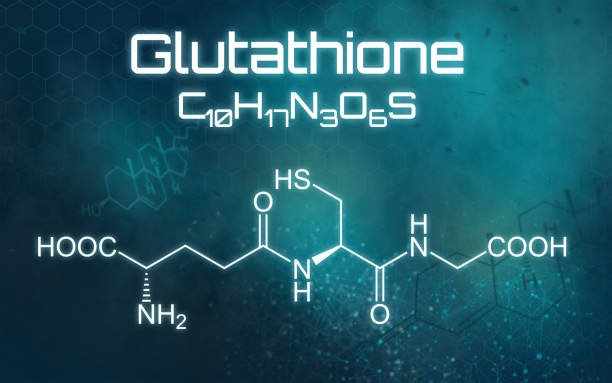
Osteoarthritis was long attributed mainly to mechanical wear and tear, but the research has shifted. A peer-reviewed review published in the Journal of Clinical Orthopaedics & Trauma describes a significant correlation between osteoarthritic progression and unchecked oxidative stress, a disturbance between reactive oxygen species (ROS) and antioxidant defenses that damages cartilage and disrupts cell signaling; you can read that review via Journal of Clinical Orthopaedics & Trauma. The same review notes that joint fluid antioxidant levels are measurably decreased in osteoarthritic joints compared to healthy ones. A separate study measuring antioxidant enzyme activity, superoxide dismutase, glutathione peroxidase, and catalase, in knee osteoarthritis patients found altered levels consistent with this oxidative stress pattern; that study is on PubMed Central.
A more detailed mechanistic review found that chondrocytes, the cells responsible for maintaining cartilage, lose their ability to maintain redox homeostasis (the GSH:GSSG balance) as part of both normal aging and osteoarthritis progression; that review, based on rat and bovine cartilage models, is available on PubMed. Mitochondrial dysfunction compounds this: a 2025 review identified impaired mitochondrial function as a pivotal factor in cartilage breakdown and inflammation, noting antioxidants as one of the emerging therapeutic strategies being researched; that review is on PubMed Central.
7 Essential Ways Cellgevity Supports Joint Health
Each of these draws on real, cited research. None claims Cellgevity is a proven arthritis treatment; they describe the biological mechanisms involved and where the formula’s ingredients connect to them.
1. Reducing Oxidative Stress Inside Cartilage Cells
Since chondrocyte oxidative stress is a documented driver of cartilage breakdown, supporting the body’s glutathione supply targets this mechanism directly. Cellgevity is built around RiboCeine™, shown in liver-cell research to raise glutathione more effectively than NAC; see our full Cellgevity vs NAC comparison.
2. Supporting Cartilage’s Natural Antioxidant Defenses
A study found glutathione peroxidase (GPx) activity altered in osteoarthritis patients as an oxidative-stress marker; that study is on International Journal of Advanced Research. Cellgevity includes Selenium, a required cofactor for GPx enzyme function.
3. Providing Anti-Inflammatory Support
Joint discomfort is driven significantly by inflammatory cytokines, not oxidative stress alone. Cellgevity includes Turmeric Root Extract, which supports the body’s anti-inflammatory response, alongside the antioxidant mechanisms discussed above.
4. Supporting Cellular Energy in Joint Tissue
Cartilage cells depend on mitochondrial function, and mitochondrial dysfunction is linked to cartilage breakdown, as discussed above. Cellgevity includes Alpha Lipoic Acid, shown in peer-reviewed research to directly raise ATP levels in cell models; see our energy metabolism guide for that data.
5. Complementing an Active Lifestyle’s Recovery Demands
Exercise itself generates oxidative stress and joint loading, part of why post-traumatic osteoarthritis particularly affects physically active people, according to research on cartilage trauma. Supporting general antioxidant capacity is one piece of supporting recovery from that physical demand, alongside proper training load and rest.
6. Supporting Overall Cellular Resilience With Age
The cartilage-aging research cited earlier found chondrocyte redox homeostasis declines with normal aging, independent of diagnosed disease. General antioxidant support is discussed in that research as one piece of supporting cellular resilience as joints age; see our broader guide on aging well for that wider context.
7. Working Alongside, Not Instead of, Proven Joint Care
Weight management, appropriate exercise, physical therapy, and medical treatment remain the evidence-based foundation of joint health. Cellgevity’s realistic role, discussed throughout this article, is as a complementary antioxidant support, not a replacement for any of these.
Glutathione vs. NAC for Cartilage: What a Direct Lab Comparison Found
One study is worth highlighting because it directly compared glutathione to NAC on cartilage tissue. Researchers tested both compounds on porcine cartilage explants and isolated chondrocytes following induced injury, and found that while NAC provided cell-protective effects, it also strongly impaired matrix synthesis, the cartilage’s ability to rebuild itself, whereas direct glutathione (GSH) application showed cell- and chondroprotective effects without that same drawback, better preserving the chondrogenic (cartilage-forming) phenotype; that study is published on PubMed Central.
This is laboratory tissue research, not a human clinical trial of any oral supplement, and it should not be read as proof that Cellgevity or RiboCeine specifically produces this same effect in a living joint. What it does add is a specific, credible reason, beyond general antioxidant theory, that glutathione-based approaches are being researched as potentially preferable to NAC-based ones for cartilage specifically, consistent with the broader RiboCeine-vs-NAC bioavailability research discussed in our Cellgevity vs NAC comparison.
What Cellgevity Is NOT: Important Limitations
- It is not a treatment for osteoarthritis, rheumatoid arthritis, or any diagnosed joint disease. The research discussed above involves general oxidative-stress mechanisms, cell and animal models, not human clinical trials of Cellgevity for joint outcomes.
- It is not a substitute for physical therapy, prescribed medication, or, in advanced cases, surgical treatment. These remain the evidence-based standard of care for diagnosed joint conditions.
- It does not replace proper injury management. Acute joint injuries need appropriate medical evaluation, not supplementation alone.
- It is not FDA approved, as a dietary supplement rather than a drug.
Where Cellgevity Fits: The RiboCeine™ Science

Cellgevity is built around RiboCeine™, a patented (US Patent #8,501,700) compound that delivers cysteine, the rate-limiting building block for glutathione synthesis, in a protected form. A peer-reviewed study in Atherosclerosis found ribose-cysteine supplementation significantly raised glutathione-based antioxidant status in a controlled human trial, viewable on PubMed (Kader et al., 2014). See our full explainer on what glutathione is for the underlying biochemistry.
Common Myths About Joint Health and Supplements
- “Cracking joints causes arthritis.” This is not supported by the research discussed in this article; oxidative stress and mechanical overload, not joint cracking itself, are the documented drivers of cartilage breakdown.
- “Rest is always best for sore joints.” Appropriate movement supports joint health; the research above ties inactivity, not just overuse, to reduced mitochondrial and cartilage resilience over time.
- “Any antioxidant supplement works the same for joints.” As the direct GSH-vs-NAC cartilage comparison above shows, delivery mechanism and compound choice genuinely affect outcomes at the tissue level, not all antioxidants behave identically.
- “Supplements can reverse existing cartilage damage.” No research discussed in this article supports that claim; the mechanisms described are protective and supportive, not regenerative or curative.
- “Younger, active people do not need to think about joint oxidative stress.” The post-traumatic osteoarthritis research cited earlier specifically notes this form particularly affects younger, physically active people following joint injuries, not only older adults.
Signs Your Joints May Need More Support
- Stiffness that lasts more than 30 minutes after waking or resting
- Swelling or warmth around a joint
- Reduced range of motion compared to before
- Pain that worsens with activity and does not improve with rest
- Slower recovery after exercise than in the past
These are general wellness signals, not a diagnosis. Persistent swelling, significant pain, or joint symptoms following an injury should be evaluated by a doctor, not addressed through supplementation alone.
Cellgevity Safety Considerations for Active Individuals
Commonly reported Cellgevity side effects include mild headache, fatigue, and increased urination in the first one to two weeks; see our full Cellgevity Side Effects guide. Cellgevity is also BSCG (Banned Substances Control Group) Certified, meaning independent lab testing confirms it does not contain substances banned in competitive sport, relevant for athletes and active individuals subject to anti-doping standards.
Practical, Proven Ways to Support Active Joints Beyond Supplements
- Maintain a healthy weight – excess weight adds direct mechanical load to weight-bearing joints, compounding oxidative and inflammatory stress.
- Warm up and cool down properly – reduces the acute joint loading and injury risk associated with post-traumatic osteoarthritis.
- Vary your activity – cross-training reduces repetitive stress on any single joint compared to doing the same high-impact activity every day.
- Strengthen the muscles around key joints – stronger supporting musculature reduces direct load on cartilage and ligaments.
- Prioritize sleep and stress management – both affect systemic inflammation levels; see our guide on managing stress naturally.
Diet and Joint Health: What the Broader Antioxidant Research Suggests
Since glutathione synthesis depends on sulfur-containing amino acids, a diet including garlic, onions, and cruciferous vegetables supplies raw materials for the same antioxidant pathway discussed throughout this article. Foods rich in vitamin C and polyphenols support the broader antioxidant network glutathione helps regulate. None of this replaces medical nutrition therapy for a diagnosed condition, but a consistently poor diet removes the building blocks the body needs to manage joint-related oxidative stress on its own, regardless of any supplement taken alongside it. Hydration is worth mentioning too: cartilage itself is largely water, and adequate hydration supports the joint’s ability to absorb and distribute mechanical load, a simpler and often overlooked piece of the same overall picture.
A Simple Weekly Routine for Active Joint Health
Pulling the research above into a practical structure tends to work better than a list of disconnected tips:
| Focus Area | Simple Weekly Action |
|---|---|
| Movement variety | Rotate between 2-3 activity types to avoid repetitive joint loading |
| Strength training | 2-3 sessions targeting muscles around major joints (knees, hips, shoulders) |
| Recovery | At least one full rest day between high-impact sessions |
| Nutrition | Include sulfur-rich foods (garlic, onions, cruciferous vegetables) most days |
| Weight management | Track trends over months, not days; small sustained changes reduce joint load meaningfully over time |
| Antioxidant support | Discuss a supplement like Cellgevity with your doctor if appropriate for your situation |
As with the other mechanisms discussed in this article, consistency across several small habits tends to matter more for long-term joint health than any single dramatic intervention, supplement included. Track how your joints feel over a full training cycle, weeks to months, rather than day to day, since inflammation and recovery both fluctuate naturally with training load, weather, and sleep quality.
Frequently Asked Questions
Does Cellgevity supports joint health the same way as glucosamine or collagen?
No. Glucosamine and collagen are structural building blocks for cartilage. Cellgevity works through a different mechanism, supporting the cellular antioxidant environment cartilage cells depend on, and the two approaches are not interchangeable.
Is there human clinical trial evidence for Cellgevity and arthritis?
No. The joint-specific research discussed in this article involves cell, animal, and general patient-marker studies on glutathione and NAC, not a Cellgevity-specific clinical trial for arthritis or joint outcomes.
Can athletes safely take Cellgevity?
Cellgevity is BSCG Certified, meaning it is independently tested for banned substances, a meaningful consideration for competitive athletes, though anyone with a specific medical condition should consult a doctor first.
How long before you notice a difference in joint comfort?
This varies by individual and is not established by Cellgevity-specific clinical data. Any change should be evaluated over weeks to months, not days, and does not replace medical evaluation of persistent joint symptoms.
Support an Active Lifestyle
Explore Cellgevity, built on research-backed RiboCeine™ technology.
Shop Cellgevity NowRelated Reading
- Cellgevity vs NAC: Which Raises Glutathione Better?
- Cellgevity Side Effects: What to Actually Expect
- Support Your Energy Metabolism at the Cellular Level with Cellgevity
- What Is Glutathione and Why Your Body Needs It
About Author
