
Cellular Health: What Your Cells Need to Keep You Healthy and Energized
Cellular health explained: the six nutrients every cell needs, the science of oxidative stress, and how Cellgevity supports the antioxidant piece.

Every function your body performs, thinking, moving, healing, fighting off illness, ultimately happens at the level of a single cell. Cellular health is the foundation everything else is built on, yet it rarely gets discussed in practical terms: what do your roughly 37 trillion cells actually need, day to day, to keep functioning well? This guide breaks down the real inputs cellular health depends on, what happens when they are missing, and where antioxidant support like Cellgevity fits into the picture.
What Is Cellular Health, and Why Does It Matter?

According to reference material from Rootine, a cellular nutrition research group, there are more than 37 trillion cells in the human body, and each performs core functions including creating energy, eliminating toxins, providing structure, and keeping the body healthy; that reference is available on Rootine. Cellular health, in practical terms, is simply how well those trillions of individual units are able to do their jobs. When cells consistently get what they need, the downstream effect is what people describe as “feeling good”: steady energy, clear thinking, and resilient immune function. When they do not, the result tends to be vague, hard-to-pin-down symptoms rather than one obvious problem.
The Six Nutrient Categories Every Cell Needs
According to a peer-reviewed overview on PubMed, there are six major classes of nutrients essential for human health: carbohydrates, lipids, proteins, vitamins, minerals, and water; you can read that overview on PubMed. Cleveland Clinic’s patient education materials describe these same categories in two groups: macronutrients (carbohydrates, protein, fat, and water), needed in larger amounts, and micronutrients (vitamins and minerals), needed in smaller amounts but still essential; that resource is available on the Cleveland Clinic website. Every category below plays a distinct, non-interchangeable role in how well the body functions overall.
Macronutrients: Fuel and Building Blocks
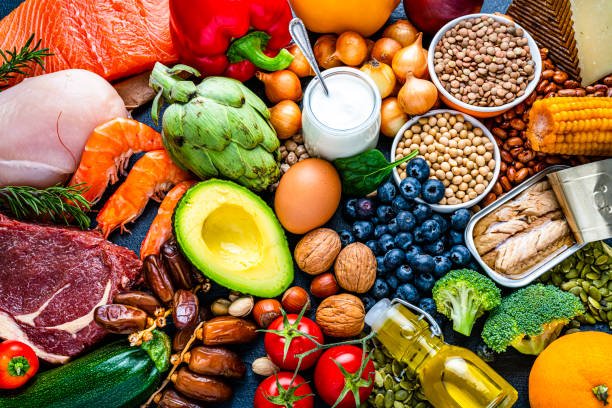
Carbohydrates, proteins, and fats provide the energy and physical building blocks cells use for growth and repair, according to a summary of cellular nutrition essentials; proteins in particular are broken down into amino acids that serve as molecular scaffolding for building new enzymes and cellular components, according to a review of cell nutrition mechanics available via Biology Insights. Without adequate macronutrient intake, cells simply lack the raw materials to build new structures or generate energy, regardless of how many micronutrients or antioxidants are also present.
Micronutrients: Small Amounts, Essential Roles
Micronutrients, vitamins and minerals, are not sources of calories, but they act as cofactors and coenzymes in the biochemical pathways that produce energy, digest nutrients, and build macromolecules; a detailed reference on human nutrition breaks down the thirteen essential vitamins and sixteen essential minerals involved, available via Pressbooks Human Nutrition. A peer-reviewed review in Frontiers in Immunology specifically ties both macronutrients and micronutrients, including antioxidant phytochemicals, to immune and cellular function outcomes; that review is available on PubMed Central (DOI: 10.3389/fimmu.2021.665968).
Water: The Overlooked Cellular Health Requirement
Water is the solvent for essentially every biochemical reaction that happens inside a cell, and every nutrient must cross the cell’s selective membrane barrier dissolved in it before it can be used; that mechanism is described in a review available via Biology Insights. Cleveland Clinic patient materials note water also carries nutrients and oxygen to cells, a transport role easy to overlook compared to the other five nutrient categories.

Oxygen, Mitochondria, and Cellular Energy
Nutrients alone are not enough; cells also need oxygen to convert them into usable energy. Mitochondria, present in nearly every cell, convert macronutrients into ATP through oxidative phosphorylation, according to a review on cellular nutrition from Solgar, which also notes vitamins and minerals act as cofactors in the biochemical pathways that generate ATP; that review is available via Solgar. This is also where cellular health and oxidative stress intersect: ATP production generates reactive oxygen species as a natural byproduct, which is exactly what the antioxidant system discussed next exists to manage. See our full energy metabolism at the cellular level guide for that mechanism in detail.
Antioxidants: Protecting Cellular Health From Free Radical Damage
According to a summary of cellular nutrition essentials, oxidative damage occurs when cells are exposed to reactive oxygen species that damage DNA, proteins, and lipids, and antioxidants like vitamins C and E and polyphenols neutralize that damage; that summary is available via Number Analytics. Among all antioxidants, glutathione holds a distinct position: according to a peer-reviewed review, it is often called the body’s “master antioxidant” because it directly neutralizes free radicals and also regenerates other antioxidants after they have been used up; that review is on PubMed Central. For the full chemistry of how glutathione works, see our complete explainer on what glutathione is.
How Cells Communicate: Signaling and Repair
Beyond fuel and protection, cells constantly communicate with one another and repair themselves, processes that also depend on the nutrients discussed above. According to a review of cellular nutrients from Solgar, nutrients act not only as building blocks and fuel sources, but also as modifiers of protein function and as signaling molecules supporting communication between cells; that review is available via Solgar. This signaling role explains why nutrient gaps can affect seemingly unrelated systems at once, a single micronutrient shortfall can ripple into hormone regulation, immune response, and tissue repair, since the same molecules are often involved in more than one pathway.
Signs Your Cellular Health May Need Attention
- Persistent fatigue not explained by sleep or workload
- Frequent illness or slow recovery from infections
- Brain fog or difficulty concentrating
- Dull skin or slow wound healing
- Muscle weakness or slow recovery after physical activity
According to cellular nutrition research, not all cells function optimally, some perform below their potential due to genetics, lifestyle, and nutrient gaps, an imbalance that can affect other aspects of health; see that discussion via DecodeAge. These signs are general wellness signals, not a diagnosis, and persistent or severe symptoms should be evaluated by a doctor.
Common Myths About Cellular Health and Nutrition
- “More of a nutrient is always better for cellular health.” Micronutrients act as cofactors in specific, regulated amounts; excess intake of some vitamins and minerals can cause its own problems rather than further improving cellular function.
- “A multivitamin covers everything cells need.” As this article outlines, macronutrients, water, and the antioxidant system are all separate requirements a vitamin pill does not address.
- “Cellular health only matters for older adults.” Cellular processes, including oxidative stress management, are active from childhood onward; the habits discussed in this article apply at any age.
- “You can tell your cellular health is fine if you feel okay.” Because cellular symptoms tend to be vague, fatigue, slow recovery, occasional brain fog, gradual nutrient gaps can develop before more obvious symptoms appear.
Cellular Health Nutrients in Everyday Nigerian Foods
Many of the nutrients discussed in this article are already part of a traditional, varied Nigerian diet. Beans and legumes supply plant protein and fiber. Ugu (fluted pumpkin leaf), spinach, and other leafy greens provide vitamins and minerals central to micronutrient needs. Garlic and onions, staples in Nigerian cooking, supply the sulfur-containing amino acids glutathione synthesis depends on. Citrus fruits widely available across Nigerian markets are a strong source of vitamin C, one of the antioxidants discussed earlier in this article. None of this requires an imported “superfood”; the evidence-backed nutrients this article discusses are largely already accessible through a traditional, varied diet.
Where Cellgevity Fits Into Cellular Health
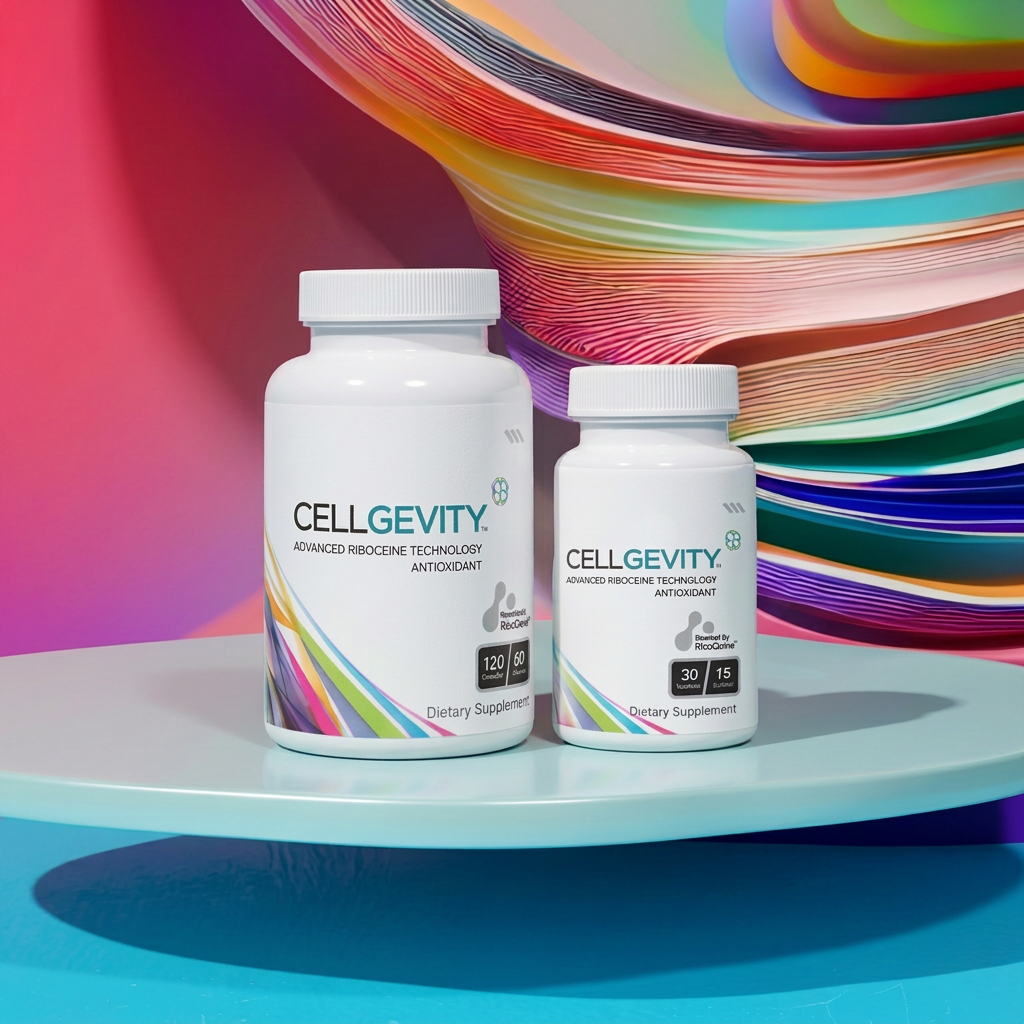
Cellgevity is built around RiboCeine™, a patented (US Patent #8,501,700) compound that delivers cysteine, the rate-limiting building block for glutathione synthesis, in a protected form. Liver-cell research has shown RiboCeine raising glutathione levels considerably more than NAC at a lower concentration; see our full Cellgevity vs NAC comparison for that data. A peer-reviewed study in Atherosclerosis found ribose-cysteine supplementation significantly raised glutathione-based antioxidant status in a controlled human trial, viewable on PubMed (Kader et al., 2014). Cellgevity also includes Alpha Lipoic Acid, Selenium, and Vitamin B6, micronutrients that act as cofactors in glutathione synthesis and recycling, alongside Turmeric Root Extract and Aloe Vera. The realistic positioning here is straightforward: cellular health depends on the six nutrient categories discussed throughout this article, and Cellgevity targets one specific piece of that picture, antioxidant support, rather than replacing balanced nutrition entirely.
Adequate vs. Optimal Nutrition: A Key Distinction
Research on this topic draws a useful distinction: adequate nutrition refers to the intake necessary for basic survival, while optimal nutrition refers to the levels needed to actually thrive, according to a review available via DecodeAge. Most modern diets, even reasonably balanced ones, tend to clear the adequate bar without necessarily reaching the optimal one, which is part of why nutrient gaps can persist even in people who do not consider their diet particularly poor. This distinction is worth sitting with: “not deficient” and “optimally supported” are not the same standard, and the difference is largely where targeted supplementation, sleep, and stress management earn their place alongside a generally reasonable diet.
Practical Ways to Support Cellular Health Daily
- Eat a varied, whole-food diet – covers all six nutrient categories without needing unusual “superfoods”; a balanced diet of fruits, vegetables, lean protein, and whole grains supplies most of these six nutrient categories on its own.
- Stay consistently hydrated – water is required for nutrient transport and virtually every cellular reaction.
- Prioritize sleep – cellular repair processes happen largely during sleep.
- Exercise regularly – supports mitochondrial density and overall antioxidant capacity over time.
- Manage stress – chronic cortisol elevation is linked to increased oxidative damage; see our guide on managing stress naturally.
- Reduce toxin exposure – tobacco, excess alcohol, and unnecessary environmental toxins add to the free radical load cells have to manage.
How Nutrient Absorption Actually Works
Eating the right foods is only the first step; nutrients still need to cross into the cell to be used. Before a nutrient can be used, it must first successfully navigate the cell’s selective barrier, the plasma membrane, according to a review of cell nutrition mechanics; that review is available via Biology Insights. This is part of why absorption enhancers, like the black pepper extract (piperine) included in some supplement formulas, matter: a nutrient sitting in the digestive tract provides no benefit until it actually crosses that membrane and reaches the cell’s internal machinery. Digestive health, hydration, and even the presence of fat alongside fat-soluble vitamins all influence how much of what you eat actually gets used at the cellular level.
Frequently Asked Questions
What are the six nutrients essential for cellular health?
Carbohydrates, proteins, fats, vitamins, minerals, and water. The first three (plus water) are macronutrients needed in larger amounts; vitamins and minerals are micronutrients needed in smaller but equally essential amounts.
Can supplements replace a healthy diet for this?
No. As covered throughout this article, macronutrients and most micronutrients need to come from a varied diet. Targeted supplementation, like antioxidant support, addresses a specific piece of the picture, not the full range of what cells need.
Why is water considered essential for cellular health if it has no calories?
Water serves as the solvent for virtually every biochemical reaction inside a cell and is required to transport other nutrients across the cell membrane, making it essential despite providing no caloric energy.
How does Cellgevity support this process specifically?
Cellgevity targets the antioxidant piece of cellular health through RiboCeine™-supported glutathione production, alongside cofactor nutrients like Selenium and Vitamin B6. It does not address macronutrient or hydration needs, which diet and water intake must still provide.
Support Your Cellular Health
Explore Cellgevity, built on research-backed RiboCeine™ technology.
Shop Cellgevity NowRelated Reading
- What Is Glutathione and Why Your Body Needs It
- Support Your Energy Metabolism at the Cellular Level with Cellgevity
- Stronger Cells for Better Daily Wellness | Cellgevity
- Cellgevity vs NAC: Which Raises Glutathione Better?
- What Is Glutathione and Why Is It Important for Cellular Health?
About Author
