
Cellgevity and Women’s Health: 7 Natural Hormonal Balance Tips That Work
Natural hormonal balance tips backed by real research on PCOS, menopause, and oxidative stress, plus an honest look at where Cellgevity fits in.

Irregular cycles, unexplained fatigue, mood swings, and skin changes are often dismissed as “just hormones,” but there is real, measurable biology behind them. A growing body of research links hormonal imbalance, including PCOS and menopause, to oxidative stress and lower antioxidant levels. This guide covers natural hormonal balance tips backed by real research, an honest look at where glutathione and Cellgevity fit into that picture, and, just as importantly, what they cannot do. Hormonal health is a broad, individual topic, affected by everything from thyroid function to stress to nutrition, so this article focuses specifically on the oxidative stress and antioxidant angle, one well-documented piece of a much larger puzzle, rather than trying to cover every possible cause of hormonal symptoms.
The Research: How Oxidative Stress Connects to Hormonal Health
This connection is genuinely well documented in the medical literature, not a marketing claim. A case-control study published on ScienceDirect found women with PCOS had significantly lower glutathione, vitamin C, and vitamin E levels than healthy controls, alongside increased oxidative stress markers; you can read that study on ScienceDirect. A separate study published on PubMed Central found a strong negative correlation between glutathione levels and heavy metal exposure (arsenic, lead, mercury) in women with PCOS, suggesting environmental toxin load is part of this picture too; that study is available on PubMed Central. For menopause specifically, a study published in the peer-reviewed journal Journal of Clinical Medicine found that surgical menopause was associated with increased oxidized glutathione and decreased reduced glutathione, alongside lower antioxidant enzyme activity, consistent with a hypoestrogenic state increasing oxidative stress; you can read that study on MDPI.
Glutathione Levels: PCOS vs. Healthy Controls
It is worth being precise about one additional study: a 2024 rat-model trial published in Gynecological Endocrinology compared glutathione supplementation to metformin and Diane-35 in DHEA-induced PCOS, and found glutathione reduced inflammatory markers (IL-6, hs-CRP) comparably to the metformin group. That study is available via Taylor & Francis Online. This is animal research, not a human clinical trial, and should not be read as evidence that glutathione supplementation works the same way, or as well, in women. It does add to the biological plausibility of the connection, which is different from proof of a treatment effect in humans.
7 Natural Hormonal Balance Tips That Work
These natural hormonal balance tips are drawn from the research above and broader endocrine health literature. None of them require a prescription, and all have a real evidence base behind them.
1. Manage Blood Sugar and Insulin Sensitivity
Insulin resistance is closely tied to both PCOS and broader hormonal dysfunction. A study published on PubMed Central found that a low glycemic index diet decreased inflammation and increased glutathione peroxidase activity in women with PCOS; you can read that study on PubMed Central. Reducing refined sugar and processed carbohydrates is one of the more directly evidence-backed dietary changes for hormonal health.
2. Prioritize Consistent, Quality Sleep
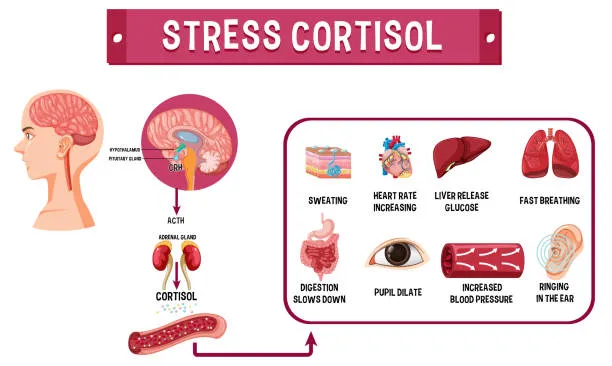
Cortisol and reproductive hormones are closely linked through the same stress-response systems. Poor sleep disrupts this balance and compounds oxidative stress; see our guide on managing stress naturally for the full research on cortisol and oxidative damage.
3. Move Your Body Regularly
Regular exercise improves insulin sensitivity and supports healthy weight management, both directly relevant to hormonal balance, particularly for PCOS, where insulin resistance is common. Moderate, consistent activity is generally better supported by research than sporadic intense exercise.
4. Actively Manage Stress
Chronic stress elevates cortisol, which interacts with the same hormonal pathways discussed throughout this article. Techniques like slow breathing and mindfulness have real trial data behind them for lowering cortisol; see our full breakdown of that research in our stress management guide.
5. Eat an Antioxidant-Rich Diet
Vitamin C, vitamin E, and glutathione precursors (sulfur-containing amino acids found in garlic, onions, and cruciferous vegetables) were all found depleted in the PCOS research cited above. A diet rich in colorful fruits, vegetables, and lean protein supplies the raw materials these systems depend on.
6. Reduce Exposure to Environmental Toxins
The heavy-metal correlation study cited above found arsenic, cadmium, lead, and mercury exposure associated with lower glutathione and worse oxidative status in PCOS. Reducing exposure where practical, filtered water, reducing certain processed foods and cosmetics, is a reasonable precaution supported by that research.
7. Support Your Body’s Natural Detoxification Pathways
Glutathione is central to how the liver processes and clears toxins, hormonal metabolites, and heavy metals. Supporting this pathway through diet, hydration, and, for some, supplementation, is the piece most directly connected to Cellgevity’s formulation, discussed next.
Hormone-Supportive Foods Common in Nigerian Diets
Many of the antioxidant and glutathione-precursor foods named in the research above are already common in Nigerian cooking: garlic and onions form the base of countless soups and stews, ugu (fluted pumpkin leaf), spinach, and other leafy greens are cruciferous-adjacent staples, and citrus fruits widely available across Nigerian markets are a strong source of vitamin C, one of the antioxidants found depleted in the PCOS research cited earlier. Beans and other legumes provide plant protein alongside fiber, which supports the blood-sugar management discussed in tip one. None of this requires an imported “superfood”; the evidence-backed nutrients are largely already part of a traditional, varied Nigerian diet.
Signs Your Hormones May Need Attention
- Irregular or absent menstrual cycles
- Persistent fatigue not explained by sleep
- Unexplained weight changes, particularly around the midsection
- Acne or skin changes that develop or worsen in adulthood
- Mood changes that feel disproportionate to circumstances
- Hot flashes, night sweats, or sleep disruption around perimenopause and menopause
These are general wellness signals, not a diagnosis. Any of these, especially if persistent or severe, is worth discussing with a doctor rather than addressing through lifestyle changes alone.
Why Sleep Specifically Matters for Female Hormone Regulation
Sleep deserves more than a passing mention because of how directly it interacts with reproductive hormones. Cortisol, released on a daily rhythm, competes with the same signaling pathways involved in regulating estrogen and progesterone; when sleep is fragmented or insufficient, that daily cortisol rhythm flattens, which research connects to increased oxidative stress and hormonal disruption over time. This is separate from, but compounds, the direct effects of poor sleep on insulin sensitivity, itself a major factor in PCOS. A consistent sleep schedule, not just total hours, is what the broader stress and hormone research consistently points to as the more actionable lever.
Where Cellgevity Fits Into Natural Hormonal Balance

Cellgevity is built around RiboCeine™, a patented (US Patent #8,501,700) compound that delivers cysteine, the rate-limiting building block for glutathione synthesis, in a protected form. Liver-cell research has shown RiboCeine raising glutathione levels considerably more than NAC at a lower concentration; see our full Cellgevity vs NAC comparison for that data. A peer-reviewed study in Atherosclerosis found ribose-cysteine supplementation significantly raised glutathione-based antioxidant status in a controlled human trial, viewable on PubMed (Kader et al., 2014). Cellgevity also includes Turmeric Root Extract, supporting the body’s anti-inflammatory response, and Alpha Lipoic Acid, alongside 10 other supporting nutrients.
Cellgevity’s Ingredients Most Relevant to Hormonal Health
- RiboCeine™ – supports the glutathione depletion pattern documented across the PCOS and menopause research cited throughout this article.
- Turmeric Root Extract – supports the body’s anti-inflammatory response; relevant given the IL-6 and hs-CRP inflammatory markers discussed in the PCOS research above.
- Alpha Lipoic Acid – supports mitochondrial and cellular energy function, relevant to the fatigue many women with hormonal imbalance report.
- Selenium – a cofactor for glutathione peroxidase, the same antioxidant enzyme measured as reduced in several of the PCOS studies cited above.
This is a summary of the formula’s composition, not a claim that these ingredients have been tested together specifically for hormonal outcomes in women. As with any supplement, individual response varies, and the honest answer for most people is that results are gradual and best evaluated over months rather than days.
What Cellgevity Is NOT: Important Limitations
- It is not a treatment for PCOS, menopause, or any diagnosed hormonal condition. The research above shows a real association between these conditions and lower glutathione, not that supplementation reverses or manages the condition.
- It has not been clinically trialed in women with PCOS or menopause. The most directly relevant human research involves general glutathione status, not Cellgevity specifically, and the strongest interventional data (the metformin comparison) is from an animal model.
- It is not a fertility treatment. Anyone trying to conceive, especially with a diagnosed condition like PCOS, should work with a fertility specialist or gynecologist.
- It is not recommended during pregnancy or breastfeeding without medical guidance, as there is insufficient safety data for that population.
Cellgevity Safety Considerations for Women
Commonly reported Cellgevity side effects include mild headache, fatigue, and increased urination in the first one to two weeks; see our full Cellgevity Side Effects guide. Cellgevity contains Black Pepper Extract (piperine), which can affect how certain medications are metabolized, including some hormonal medications; anyone on hormonal birth control, fertility medication, or hormone replacement therapy should discuss this with a doctor or pharmacist before starting.
Putting the 7 Tips Into a Simple Weekly Routine
Rather than trying to change everything at once, a gradual, sustainable approach tends to work better in practice:
| Focus Area | Simple Weekly Action |
|---|---|
| Blood sugar | Swap refined carbs for whole grains at 2-3 meals a week to start |
| Sleep | Set a consistent bedtime, even on weekends |
| Movement | Aim for 3-4 sessions of moderate activity (walking counts) |
| Stress | 5-10 minutes of slow breathing daily; see our full stress guide for the research |
| Diet | Add one antioxidant-rich food (berries, leafy greens, garlic) to each main meal |
| Toxin exposure | Filter drinking water; reduce use of one high-exposure product (e.g., certain plastics) |
| Detox support | Stay hydrated; discuss antioxidant supplementation with your doctor if appropriate |
None of these natural hormonal balance tips require perfection. Consistency across several small changes tends to matter more than any single dramatic intervention, and this approach leaves room to add medical treatment on top, rather than choosing between the two.
Frequently Asked Questions
Can natural hormonal balance tips replace PCOS medication?
No. Lifestyle changes support overall hormonal and metabolic health, but they should complement, not replace, medical treatment prescribed by a doctor for a diagnosed condition like PCOS.
Is glutathione proven to treat PCOS?
No. Research shows women with PCOS have lower glutathione levels, and one animal study found glutathione supplementation reduced some inflammatory markers comparably to metformin. This is not the same as proven human clinical evidence that glutathione treats PCOS.
Does menopause always increase oxidative stress?
Research generally supports this association, particularly for surgical menopause, though individual results vary and the exact mechanisms, including estrogen’s complex pro- and antioxidant properties, are still being studied.
Should I talk to a doctor before trying these tips?
If you have a diagnosed hormonal condition, are trying to conceive, are pregnant or breastfeeding, or take hormonal medication, yes, speak with a gynecologist or endocrinologist before making significant changes or starting a new supplement.
Are these natural hormonal balance tips different for perimenopause vs. PCOS?
The underlying oxidative-stress mechanism overlaps, but the two conditions have different hormonal profiles, PCOS involves elevated androgens and insulin resistance, while perimenopause involves declining estrogen. The seven tips in this article apply broadly to both, but a doctor can help tailor priorities to your specific situation.
Support Your Body’s Antioxidant Status
Talk to your doctor, then explore Cellgevity as a complement to your routine.
Learn About CellgevityRelated Reading
- How to Manage Stress Naturally with Antioxidants
- Cellgevity vs NAC: Which Raises Glutathione Better?
- Cellgevity Side Effects: What to Actually Expect
- How Cellgevity Supports Healthy Hormone Balance for Women and Men
- Stronger Cells for Better Daily Wellness | Cellgevity
- Strengthen Your Immunity: Glutathione (Cellgevity) Against Common Nigerian Illnesses
About Author
