
Support Your Energy Metabolism at the Cellular Level with Cellgevity
How glutathione and Cellgevity's RiboCeine support energy metabolism at the cellular level, backed by real mitochondrial and ATP research.

Feeling drained even after a full night’s sleep usually gets blamed on stress, diet, or just getting older. But a lot of that fatigue actually starts with energy metabolism at the cellular level, the process your mitochondria use to turn food into usable energy (ATP), and how well that process runs depends heavily on a molecule most people have never heard of: glutathione. This guide breaks down the real biochemistry connecting glutathione to cellular energy production, what the research actually shows, and where Cellgevity’s RiboCeine™ technology fits into that picture.
What Is Energy Metabolism at the Cellular Level?
Every cell in your body runs on ATP (adenosine triphosphate), produced mainly inside mitochondria, often called the cell’s “powerhouses.” Mitochondria convert the food you eat into ATP through a process called oxidative phosphorylation, passing electrons through a series of protein complexes embedded in the mitochondrial membrane to generate energy. This electron transport chain is remarkably efficient, but it is not perfectly clean.
Heart, muscle, and brain cells, the tissues with the highest energy demands, contain the largest numbers of mitochondria per cell, sometimes thousands in a single heart or muscle cell. This is part of why fatigue, brain fog, and slow muscle recovery are often the first noticeable signs when this system is under strain, these are exactly the tissues that depend on it most.
The Mitochondria-Glutathione Connection
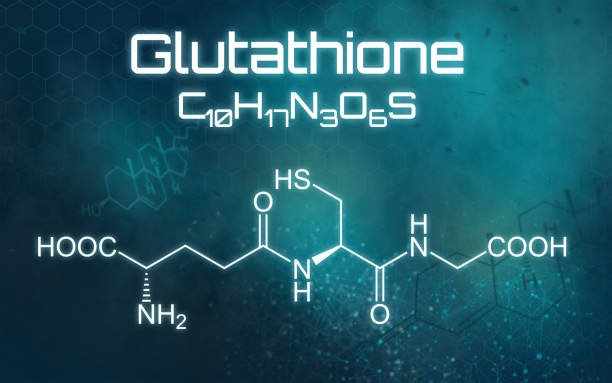
ATP production is not a clean process. According to a peer-reviewed review published on PubMed Central, mitochondria are major sources of reactive oxygen species generated as a natural byproduct of energy conversion, and glutathione is the key antioxidant responsible for neutralizing them before they damage mitochondrial membranes and proteins; you can read that review on PubMed Central. A separate peer-reviewed paper in Frontiers in Cell and Developmental Biology describes how the mitochondrial redox network, built around glutathione, directly links nutrient metabolism to cellular signaling and energy output; that paper is available on PubMed Central (DOI: 10.3389/fcell.2014.00068).
How Glutathione Supports Cellular Energy Production
What Happens When Glutathione Runs Low
According to a 2024 review discussed by the Personalized Lifestyle Medicine Institute, depletion of mitochondrial glutathione is associated with cellular senescence and compromised energy production, and glutathione byproducts can even feed directly into the TCA (Krebs) cycle that generates ATP; you can read that summary on PLMI. The relationship works in both directions too: a study on Alzheimer’s disease published on PubMed Central found that mitochondrial function and glutathione are tightly coupled, since glutathione synthesis itself requires ATP, meaning energy insufficiency and glutathione depletion can accelerate each other in a feedback loop; see that study on PubMed Central. This is the biochemical basis for why low glutathione so often shows up as fatigue rather than something more dramatic.
Where Cellgevity Fits: RiboCeine™ and Energy Metabolism at the Cellular Level
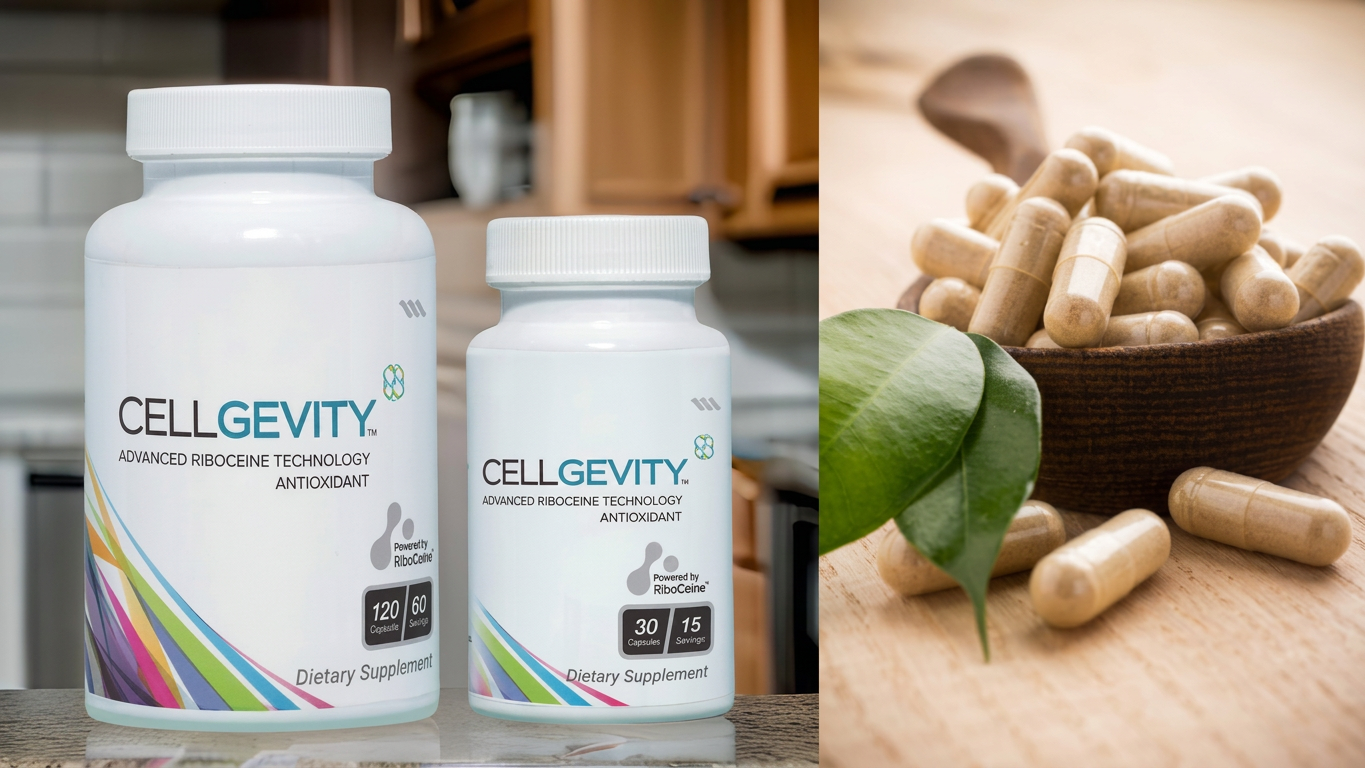
Cellgevity is built around RiboCeine™, a patented (US Patent #8,501,700) compound that delivers cysteine, the rate-limiting building block for glutathione synthesis, in a protected form. Liver-cell research has shown RiboCeine raising glutathione levels considerably more than NAC at a lower concentration; see our full Cellgevity vs NAC comparison for that data. A peer-reviewed study in Atherosclerosis found ribose-cysteine supplementation significantly raised glutathione-based antioxidant status in a controlled human trial, viewable on PubMed (Kader et al., 2014). The foundational 1987 research behind RiboCeine is available through ACS Publications.
Alpha Lipoic Acid: Cellgevity’s Direct Link to ATP Production
Beyond RiboCeine, Cellgevity includes Alpha Lipoic Acid (ALA), an ingredient with a research base that speaks directly to cellular energy rather than just antioxidant support. ALA is a natural cofactor for the mitochondrial enzymes that convert nutrients into ATP. A peer-reviewed study published in the journal Antioxidants found that ALA produced a statistically significant increase in ATP levels in neuronal cell models; you can read that study on PubMed Central. Separate research on liver tissue similarly found ALA supplementation blocked a 40% drop in ATP levels under metabolic stress; that study is available through the UNC Carolina Digital Repository. This is a meaningful part of the picture: Cellgevity is not only supporting the antioxidant side of energy metabolism through RiboCeine, it also includes an ingredient independently shown to influence ATP output directly.
The Other Ingredients That Round Out the Formula
Cellgevity combines RiboCeine and Alpha Lipoic Acid with 11 additional nutrients. Turmeric Root Extract supports the body’s anti-inflammatory response, which matters because chronic low-grade inflammation is itself a drain on cellular resources. Black Pepper Extract (piperine) is included to enhance absorption of the other ingredients. Selenium and Vitamin B6 act as cofactors for enzymes involved in glutathione synthesis and recycling, meaning they support the same pathway RiboCeine feeds into, rather than working independently of it. The formula was designed as a system, not a single isolated ingredient.
Lifestyle Factors That Also Affect Cellular Energy Metabolism
Supplementation is only one piece of supporting energy metabolism at the cellular level. Chronic poor sleep reduces mitochondrial repair time. A diet high in processed food and low in fresh vegetables provides fewer of the raw materials, including natural cysteine sources, that glutathione synthesis depends on. Sedentary habits reduce the number and efficiency of mitochondria over time, while regular moderate exercise has been shown to increase mitochondrial density. None of this replaces medical care for diagnosed fatigue-related conditions, but it does mean supplementation works best alongside these basics, not as a substitute for them.
Signs Your Cellular Energy Metabolism May Need Support
- Persistent fatigue that does not improve with more sleep
- Brain fog or trouble concentrating, especially in high-energy-demand tissue like the brain
- Slow recovery after exercise or physical exertion
- Increased sensitivity to everyday stressors, since energy-depleted cells have less capacity to manage additional strain
These are general wellness signals, not a diagnosis. Persistent, unexplained fatigue can also indicate a medical condition and is always worth discussing with a doctor.
Cellgevity vs. MaxATP: Two Different Approaches to Cellular Energy
Max International also makes MaxATP with RiboCeine™, a separate product more directly focused on cellular energy support, also built on RiboCeine. Cellgevity and MaxATP are not the same formula and are not interchangeable: Cellgevity is the broader 13-ingredient antioxidant and cellular health formula, while MaxATP is formulated specifically around energy metabolism. Some users take both as a complementary approach, but that is a personal and financial decision, not a requirement, and there is no published research specifically testing the two products in combination.
What the Research Does Not Yet Show
In the interest of accuracy: the studies referenced above establish the biochemical relationship between glutathione, Alpha Lipoic Acid, and ATP production in cell and animal research. No published clinical trial has directly measured Cellgevity itself against a placebo for outcomes like exercise performance or measured human ATP output. The connection presented here is a legitimate, well-documented biochemical pathway, not a specific clinical claim about Cellgevity’s effect on energy metabolism at the cellular level in a controlled human trial.
Frequently Asked Questions
Does glutathione directly produce energy?
No. Glutathione does not generate ATP itself; it protects the mitochondria that do, by neutralizing the reactive oxygen species produced during ATP synthesis. Without adequate glutathione, that same energy-production process becomes damaging to the cell over time.
How long does it take to notice an energy difference with Cellgevity?
This varies by individual and is not established by clinical trial data specific to Cellgevity. Some users report noticing changes within a few weeks, but this is anecdotal rather than a documented, measured timeline.
Should I take Cellgevity or MaxATP for energy?
They serve different purposes. Cellgevity offers broader antioxidant and cellular health support, while MaxATP is formulated specifically around cellular energy. Some people use both, but that is a personal choice rather than a documented requirement.
Can low energy always be explained by mitochondrial issues?
No. Persistent fatigue has many possible causes, including thyroid issues, anemia, sleep disorders, and mental health conditions. Cellular energy metabolism is one legitimate piece of the picture, not the only explanation, and unexplained fatigue should be evaluated by a doctor.
Does exercise help energy metabolism at the cellular level?
Yes. Regular moderate exercise is associated with increased mitochondrial density over time, meaning more of the cellular machinery responsible for producing ATP, which is a separate mechanism from, and complementary to, antioxidant support.
Support Your Cellular Energy Metabolism
Try Cellgevity, built on RiboCeine™ and research-backed Alpha Lipoic Acid.
Shop Cellgevity NowRelated Reading
- Cellgevity vs NAC: Which Raises Glutathione Better?
- Cellgevity: Boosting Your Immune System with Patented RiboCeine Technology
- Cellgevity Side Effects: What to Actually Expect
- Liposomal Glutathione vs RiboCeine: A Side-by-Side Comparison
- What Does “Aging Well” Actually Mean in the Nigerian Context in 2026?
- Stronger Cells for Better Daily Wellness | Cellgevity
- What Is Glutathione and Why Your Body Needs It
- 7 Essential Ways Cellgevity Supports Joint Health for Active Living
- Cellular Health: What Your Cells Need to Keep You Healthy and Energized
- What Is Glutathione and Why Is It Important for Cellular Health?
- Oxidative Stress Explained: What Happens Inside Your Cells?
- 10 Proven Ways to Stay Energized During Long Workdays — Boost Focus Naturally
About Author
