
Cellgevity vs NAC: Which Raises Glutathione Better? (2026)
Cellgevity vs NAC: a detailed, research-backed comparison of how each raises glutathione, bioavailability, side effects, dosage, and cost.

Cellgevity vs NAC is one of the most common questions people ask once they start researching glutathione supplements, since both are marketed as ways to raise the body’s master antioxidant. They work on the same basic idea, delivering cysteine so your cells can build their own glutathione, but the technology, the research behind each, and the real-world results are very different. This guide compares Cellgevity vs NAC in detail: the science, the history, the dosing, the side effects, the cost, and which one actually makes more sense for you.
Cellgevity vs NAC: Quick Comparison Table
| Cellgevity (RiboCeine™) | NAC (N-Acetylcysteine) | |
|---|---|---|
| Active compound | D-ribose-L-cysteine (RiboCeine) | N-acetyl-L-cysteine |
| Developed by | Dr. Herbert T. Nagasawa | First synthesized in the 1960s |
| Patent status | US Patent #8,501,700 | Off-patent, generic |
| GSH increase (liver cell study) | ~70% at 1.0mM | ~30% at 2.5mM |
| Typical daily dose | 4 capsules (2 morning, 2 evening) | 600–1,200mg |
| Common side effects | Rare; mild detox symptoms in week 1 | Nausea, GI upset, sulfur odor/taste, rare rash |
| Third-party certification | BSCG Certified | Varies by brand |
| Approx. monthly cost (Nigeria) | ₦122,000 | ₦15,000–₦35,000 (varies by brand) |
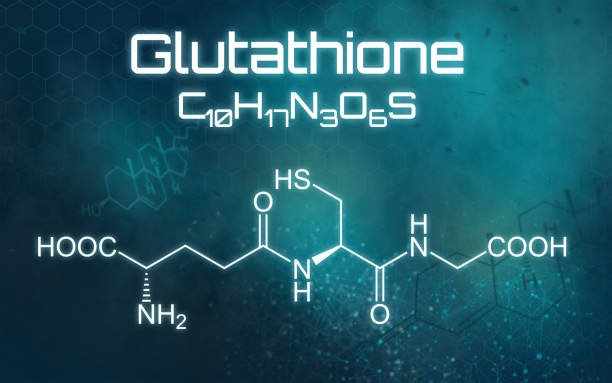
A Short History: Where NAC and RiboCeine Came From
N-acetylcysteine was first synthesized in the 1960s and licensed for medical use in 1968. It earned its place on the World Health Organization’s List of Essential Medicines as an antidote for acetaminophen poisoning and a mucolytic for respiratory conditions, decades before anyone marketed it as a general wellness supplement. Its safety record in clinical settings is long and well documented, which is part of why it became the default cysteine-delivery option for so many years.
RiboCeine has a very different origin story. Dr. Herbert T. Nagasawa, a medicinal chemist at the University of Minnesota, spent much of his career studying how to protect L-cysteine from breaking down before it reaches the liver and other tissues. His research group’s 1987 paper in the Journal of Medicinal Chemistry tested a series of thiazolidine-based cysteine prodrugs and found that a subset of ribose-cysteine compounds offered meaningfully better protection against acetaminophen-induced liver injury in mice than the standard approaches available at the time. You can view the original paper on ACS Publications. That line of research eventually led to RiboCeine being licensed to Max International and formulated into Cellgevity.
What Is NAC (N-Acetylcysteine)?
N-Acetylcysteine, or NAC, is an acetylated form of the amino acid L-cysteine. It is used clinically as the standard antidote for acetaminophen (paracetamol) overdose, and as a mucolytic to loosen mucus in conditions like COPD and cystic fibrosis. As a dietary supplement, NAC became popular because cysteine is the rate-limiting building block for glutathione synthesis, and NAC was, for decades, the only practical way to supply extra cysteine.
The catch is that a large portion of oral NAC is broken down in the digestive tract and liver before it ever reaches the rest of the body’s cells, which limits how much actually contributes to intracellular glutathione production. A 2015 crossover study comparing NAC, oral glutathione, and a sublingual glutathione form found meaningful differences in how each raised plasma glutathione and oxidative stress markers, underscoring how much delivery method matters. You can read that comparative study on the National Library of Medicine’s PMC database.
NAC’s Approved Medical Uses
- Acetaminophen overdose: NAC is the standard emergency antidote, given intravenously or orally in medically supervised, much higher doses than supplement use.
- Mucolytic therapy: Used to thin mucus in chronic bronchitis, COPD, and cystic fibrosis.
- Contrast-induced kidney injury prevention: Historically used before imaging procedures, though newer meta-analyses have questioned its benefit here.
- General antioxidant supplementation: The use most relevant to this comparison, where it is taken as an over-the-counter supplement.
What Is Cellgevity? (RiboCeine™ Technology)

Cellgevity is a Max International supplement built around RiboCeine™, a patented compound (US Patent #8,501,700). RiboCeine pairs L-cysteine with D-ribose, a simple sugar, in a way that protects the cysteine as it passes through the digestive system and improves how much actually reaches cells. That ribose “cloak” is the key structural difference from NAC’s acetyl group, and it is the reason RiboCeine research shows glutathione increases across multiple organs rather than just the bloodstream.
What’s Inside Cellgevity: The Other 12 Nutrients
Unlike a plain NAC capsule, Cellgevity combines RiboCeine with 12 additional nutrients formulated to support glutathione’s roles in the body:
- Aloe Vera – supports digestive and gut health
- Black Pepper Extract (piperine) – studied for enhancing nutrient absorption
- Turmeric Root Extract – supports the body’s anti-inflammatory response
- Alpha Lipoic Acid – an antioxidant that also helps regenerate glutathione
- Selenium, Vitamin B6, folate, and other cofactors – support the enzymes involved in glutathione synthesis and recycling
This is a meaningful part of the Cellgevity vs NAC comparison that gets overlooked: NAC is a single-ingredient compound, while Cellgevity is formulated as a broader support system around the RiboCeine core.
Cellgevity vs NAC: How Each One Raises Glutathione
Both compounds work by supplying cysteine, the amino acid that limits how much glutathione your cells can produce. The difference comes down to delivery. According to PubMed, foundational research published in the Journal of Medicinal Chemistry by Roberts, Nagasawa, and colleagues found that ribose-cysteine prodrugs protected against acetaminophen-induced liver injury more effectively than earlier cysteine-delivery approaches, work that laid the foundation for RiboCeine (Roberts JC, et al., J Med Chem. 1987;30:1891–1896).
Follow-up research and industry-reported liver cell studies found that a 1.0mM concentration of RiboCeine raised glutathione (GSH) levels by approximately 70%, while a 2.5mM concentration of NAC, two and a half times the concentration, raised GSH by only about 30%. That is the origin of the often-cited claim that Cellgevity’s RiboCeine is roughly 300% more effective than NAC at comparable or lower doses.
Separately, a peer-reviewed study in Atherosclerosis found that ribose-cysteine supplementation significantly raised glutathione-based antioxidant status and reduced LDL and oxidized lipid markers in a controlled trial. You can read that study directly on PubMed (Kader et al., 2014). A separate PubMed-indexed study also found that D-ribose-L-cysteine improved glutathione levels and reduced neuronal damage following induced neurotoxicity, an effect not established for NAC at comparable doses; see that study on PubMed.
Liver Cell GSH Increase: RiboCeine vs NAC
Cellgevity vs NAC: Bioavailability and Absorption
Bioavailability is arguably the biggest practical difference in this debate. Free cysteine, and much of the cysteine released from NAC, is unstable in the digestive tract and tends to auto-oxidize before it can be absorbed and used. RiboCeine’s ribose-cysteine structure is designed to shield the cysteine molecule during digestion, releasing it in a form the liver and other tissues can use more directly for glutathione synthesis. This is also why RiboCeine research has shown measurable glutathione increases in the liver, kidneys, lungs, and brain, not just the bloodstream, whereas NAC’s effect is more concentrated where it is metabolized.
Cellgevity vs NAC: Side Effects and Safety
NAC is generally well tolerated at standard doses, but oral NAC commonly causes nausea, diarrhea, stomach upset, and a distinct sulfurous smell and taste that some users find unpleasant. According to independent supplement research site Examine.com, gastrointestinal issues are the most frequently reported side effect of oral NAC, and it can cause severe headaches and hypotension when combined with nitroglycerin. Memorial Sloan Kettering’s integrative medicine database similarly lists gastrointestinal disturbance, rash, and headache among NAC’s more common reported effects, along with rare hypersensitivity reactions.
Cellgevity users more commonly report only mild, short-term detox symptoms in the first one to two weeks, such as headache, fatigue, or slightly more frequent urination, as the body clears out accumulated toxins. Cellgevity is also BSCG (Banned Substances Control Group) Certified, meaning it is independently tested for banned substances, which matters if you are an athlete or held to anti-doping standards. Neither supplement is well studied in pregnancy, so anyone pregnant, nursing, or on prescription medication should speak with a doctor before starting either one.
Cellgevity vs NAC: Dosage Comparison
Cellgevity is typically taken as 2 capsules in the morning and 2 in the evening, for a standard daily dose of 4 capsules. NAC supplements are more variable across brands, with typical over-the-counter doses ranging from 600mg to 1,200mg per day, and much higher doses used short-term in clinical settings such as acetaminophen overdose treatment, which are not comparable to routine supplement use and should only ever be administered under medical supervision.
Cellgevity vs NAC: Cost Comparison
NAC is inexpensive and widely available in pharmacies and online, typically costing far less per bottle than Cellgevity. A 120-capsule bottle of Cellgevity currently costs ₦122,000 in Nigeria; see our full Cellgevity price breakdown for 2026 for bulk and wholesale options. This cost comparison ultimately depends on what you are optimizing for: NAC wins on price per bottle, while Cellgevity is positioned around delivering more usable glutathione per dose, based on the bioavailability research above.
Cellgevity vs NAC: Which Should You Choose?
Consider NAC if…
- Budget is your main constraint
- You want it for its mucolytic/respiratory use
- You are comfortable with occasional GI side effects
Consider Cellgevity if…
- You want research-backed bioavailability
- You are sensitive to NAC’s GI side effects
- You want a certified, multi-ingredient formula
For most people comparing the two purely on raising usable, intracellular glutathione, the published research favors RiboCeine’s delivery mechanism. If cost is the deciding factor, NAC remains a reasonable, well-studied entry point, just be prepared for the possibility of mild stomach upset and its characteristic sulfur odor. If you have tried NAC and found the side effects difficult to tolerate, Cellgevity is the option most people in that position look at next.
Frequently Asked Questions
Can I take Cellgevity and NAC together?
There is no established danger in combining them, but there is little research on combined use, and taking both is unlikely to be more effective than RiboCeine alone given its stronger bioavailability profile. Speak with a healthcare provider before combining supplements.
Is RiboCeine just a marketing name for NAC?
No. RiboCeine (D-ribose-L-cysteine) is chemically distinct from N-acetylcysteine. They are different cysteine-delivery molecules with different absorption pathways, not the same compound under two names.
Why does NAC smell like sulfur?
NAC naturally contains sulfur compounds, which give it a distinctive rotten-egg-like smell and taste. This is a normal property of the compound and is one of the more common reasons people look for alternatives like Cellgevity.
Which raises glutathione faster, Cellgevity or NAC?
Published liver cell research shows RiboCeine raising glutathione levels more, and at a lower concentration, than NAC, suggesting a faster and more efficient increase, though individual results vary by person and health status.
Is Cellgevity worth the extra cost compared to NAC?
That depends on your priorities. If maximizing usable glutathione per dose and minimizing GI side effects matters more to you than upfront price, the research suggests Cellgevity offers more value per dose despite the higher sticker price.
Try RiboCeine™ for Yourself
See why Cellgevity outperforms NAC in published research.
Shop Cellgevity NowRelated Reading
- Cellgevity: Boosting Your Immune System with Patented RiboCeine Technology
- Cellgevity Price in Nigeria (2026): Complete Buying Guide
- The Ultimate Guide to Glutathione Supplements
- Ways to Naturally Increase Your Glutathione Levels
- Glutathione Side Effects: for Supplements and IV Therapy
- Cellgevity Side Effects: What to Actually Expect
- Liposomal Glutathione vs RiboCeine: A Side-by-Side Comparison
- Glutathione for Sickle Cell Warriors in Nigeria: Does Cellgevity Help?
- Support Your Energy Metabolism at the Cellular Level with Cellgevity
- What Does “Aging Well” Actually Mean in the Nigerian Context in 2026?
- Stronger Cells for Better Daily Wellness | Cellgevity
- How to Manage Stress Naturally with Antioxidants
- Cellgevity and Women’s Health: 7 Natural Hormonal Balance Tips That Work
- Strengthen Your Immunity: Glutathione (Cellgevity) Against Common Nigerian Illnesses
- What Is Glutathione and Why Your Body Needs It
- 7 Essential Ways Cellgevity Supports Joint Health for Active Living
- Cellular Health: What Your Cells Need to Keep You Healthy and Energized
- What Is Glutathione and Why Is It Important for Cellular Health?
- Oxidative Stress Explained: What Happens Inside Your Cells?
About Author
