
Cellgevity Side Effects: What to Actually Expect (2026)
Cellgevity side effects explained honestly: common symptoms, warning signs that need medical attention, who should avoid it, and what the research says.

Cellgevity side effects are one of the first things people search for before trying the supplement, and for good reason. Most of what circulates online is marketing copy repeated word-for-word across distributor sites, without much distinction between what is genuinely well-documented and what is anecdotal. This guide lays out what to actually expect: what is commonly reported, what the research supports, warning signs that need real medical attention, and who should avoid it altogether.
Cellgevity Side Effects at a Glance
| Category | What’s Reported |
|---|---|
| Most common | Headache, fatigue, frequent urination, mild stomach upset (first 1–2 weeks) |
| Less common | Muscle discomfort, gas, dry or sore throat, brain fog |
| Rare, needs medical attention | Hives, swelling, difficulty breathing, chest tightness |
| Typical duration | 3–14 days, easing as the body adjusts |
| Who should avoid it | Pregnant/nursing women, under 18, without medical guidance if on prescription medication |
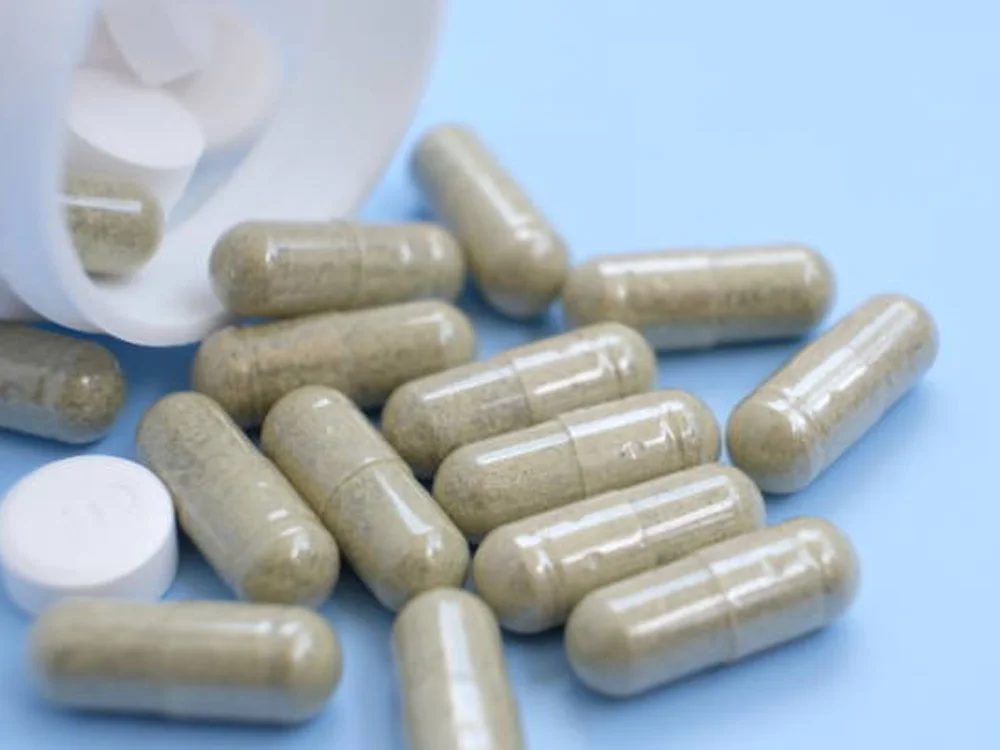
What Causes Cellgevity Side Effects? The Detox Reaction Explained
Cellgevity works by supplying RiboCeine™, a patented form of cysteine, so your cells can produce more of their own glutathione. The manufacturer and long-time distributors describe a temporary “detoxification” period as glutathione helps mobilize and clear stored toxins, which is the explanation most commonly given for these early symptoms. It is worth being direct about the evidence here: this detox-reaction framing is widely repeated across distributor and user-community sources, but there is limited independent, peer-reviewed clinical research isolating a specific “detox symptom” mechanism from glutathione precursor supplementation. What is better supported is that RiboCeine measurably raises glutathione and related antioxidant markers; the symptom pattern itself is more anecdotal than clinically proven.
Cellgevity Side Effects: Common Symptoms in the First 1–2 Weeks
Based on manufacturer guidance and consistent reporting across long-time users, the symptoms people describe most often in the early adjustment period include:
- Headache – usually mild, often the most commonly mentioned symptom
- Fatigue – a temporary dip in energy before levels typically improve
- Frequent urination – linked to increased fluid intake recommendations and detox activity
- Mild stomach upset or gas – generally resolves within days
- Muscle discomfort or a dry/sore throat – reported less frequently
- Brain fog – occasionally reported in the first week
These are described as short-lived, typically easing within three to fourteen days as the body adjusts.
Typical Cellgevity Side Effect Timeline
Ingredient-by-Ingredient: What Might Cause a Reaction
Cellgevity combines RiboCeine with 12 additional nutrients, and a closer look at a few of them helps explain where individual sensitivities can come from:
- Black Pepper Extract (piperine) – included to enhance nutrient absorption, but piperine is also a well-documented inhibitor of CYP3A4 and P-glycoprotein, the pathways many prescription drugs rely on for metabolism. According to Pharmacy Times, piperine has been shown to meaningfully increase blood levels of drugs like carbamazepine and certain antihistamines. This is the strongest evidence-based reason to talk to a doctor before combining Cellgevity with prescription medication.
- Turmeric Root Extract – generally well tolerated, though very high curcumin intake has occasionally been linked to mild stomach upset in unrelated studies.
- Alpha Lipoic Acid – can occasionally lower blood sugar, which is worth noting for anyone managing diabetes with medication.
- Aloe Vera – generally supports digestion, though some individuals report mild loose stools when starting.
- Selenium – an essential trace mineral at the doses used here, though very high supplemental selenium intake from multiple sources can cause its own separate toxicity, which is a reason not to stack multiple selenium-containing supplements at once.
- Vitamin B6 – supports enzyme function in glutathione recycling; well tolerated at supplement doses, though extremely high long-term intake from combined sources has been linked to nerve-related symptoms in unrelated research.
Cellgevity Side Effects: Warning Signs That Are NOT Normal
Not every reaction after starting a supplement is a “detox” reaction. Genuine allergic reactions are uncommon but possible with any supplement, and it is important to be able to tell the difference. Seek medical attention if you experience:
- Hives, rash, or significant skin irritation
- Swelling of the face, lips, tongue, or throat
- Shortness of breath, wheezing, or chest tightness
- Dizziness or fainting
- Severe or persistent vomiting
None of these should be assumed to be a normal detox reaction. If you experience any of them, stop taking the supplement and speak with a healthcare provider right away.
Cellgevity Side Effects: Who Should Avoid or Use Caution
- Pregnant or nursing women – there is not enough safety data to recommend use during pregnancy or breastfeeding
- Children and teens under 18 – Cellgevity is formulated and studied for adult use
- Anyone on prescription medication, especially drugs metabolized by CYP3A4 – speak with a doctor first given the piperine interaction potential noted above
- Anyone with diabetes on blood sugar medication – due to Alpha Lipoic Acid’s mild blood-sugar-lowering effect
- Anyone with a known allergy to any of the 13 listed ingredients – check the supplement facts panel before starting
How to Talk to Your Doctor Before Starting
If you take any prescription medication, especially blood thinners, seizure medication, immunosuppressants, or diabetes medication, it is worth a short conversation with your doctor or pharmacist before starting Cellgevity. Bring the supplement facts panel with you, mention the black pepper extract (piperine) content specifically, and ask whether it could affect how your current medication is metabolized. This single conversation addresses the most evidence-based safety concern, which is a drug interaction rather than the milder detox symptoms most people ask about.
Cellgevity Side Effects vs. NAC Side Effects
It is worth comparing what Cellgevity users report to the side effects of N-acetylcysteine (NAC), the older cysteine-delivery supplement it is often compared against. According to independent supplement research site Examine.com, oral NAC is more consistently associated with nausea, diarrhea, and gastrointestinal upset, along with a distinct sulfurous smell and taste. What people report skews more toward the detox-symptom pattern described above rather than direct gastrointestinal irritation, though individual responses vary. For a full breakdown of how the two compare on mechanism, dosage, and cost, see our Cellgevity vs NAC comparison.
Cellgevity Side Effects: How to Minimize Them
- Drink plenty of water – at least 2 liters a day is commonly recommended alongside Cellgevity
- Start with a lower dose – some users begin with 1–2 capsules a day before working up to the standard 4
- Take it with food – can help reduce mild stomach upset
- Eat more fresh vegetables, less processed food – commonly suggested to support the process
- Give it time – most reported symptoms ease within one to two weeks
Cellgevity Side Effects: Dosage and Timing Tips
The standard Cellgevity dose is 2 capsules in the morning and 2 in the evening. Some users report that taking it earlier in the day, rather than right before bed, helps with an early-supplementation effect some describe: a temporary boost in energy that can make falling asleep harder in the first week or two. If digestive discomfort is an issue, taking capsules with a meal rather than on an empty stomach is a common adjustment.
What Long-Term Users Report After the First Month
Once the initial one-to-two week adjustment window passes, long-time users overwhelmingly report a very different experience: fewer or no noticeable symptoms, alongside the energy, immune, and general wellness benefits the supplement is marketed for. This pattern, an early adjustment phase followed by a much quieter long-term experience, is consistent across the manufacturer’s own guidance and independent user reviews, though it remains self-reported rather than tracked in a formal clinical trial. It is also worth noting that the 2024 PRUVN Research study on RiboCeine found more pronounced glutathione increases in older participants, which may explain why some older adults report noticing benefits, without a corresponding rise in symptoms, more clearly than younger users do.
Is Cellgevity Safe? What the Research Says

Beyond the anecdotal reports, there is a real and growing research base behind RiboCeine, the core ingredient in Cellgevity. According to PubMed, a peer-reviewed study found that ribose-cysteine supplementation significantly raised glutathione-based antioxidant status without reporting adverse safety findings in the treated group (Kader et al., 2014, Atherosclerosis); you can read it directly on PubMed. A separate PubMed-indexed study on D-ribose-L-cysteine found it improved glutathione levels and reduced neuronal damage in an induced neurotoxicity model without notable adverse effects; see that study on PubMed.
In 2024, PRUVN Research LLC announced preliminary human clinical trial results on RiboCeine supplementation and serum glutathione levels in a 40-person study, adding to a body of more than 55 prior peer-reviewed, primarily animal-model studies on the compound. You can read that announcement on PR Newswire. Cellgevity is also BSCG (Banned Substances Control Group) Certified and manufactured under current Good Manufacturing Practice (cGMP) standards, meaning independent lab testing and facility audits back up the safety and quality claims beyond self-reported experiences alone.
Frequently Asked Questions About Cellgevity Side Effects
How long do Cellgevity side effects last?
Most commonly reported symptoms ease within three to fourteen days as the body adjusts. If symptoms persist well beyond two weeks or worsen, stop use and consult a healthcare provider.
Are Cellgevity side effects dangerous?
The commonly reported symptoms (headache, fatigue, frequent urination) are described as mild and temporary. Genuine danger signs, like swelling, difficulty breathing, or hives, are not typical and warrant immediate medical attention.
Can I avoid Cellgevity side effects entirely?
Not everyone experiences noticeable reactions; many users report none at all. Starting with a lower dose, taking it with food, and staying well hydrated are the most commonly suggested ways to reduce the odds of a noticeable reaction.
Do Cellgevity side effects mean it is working?
This is a common assumption, but it is not established fact. Many people see the benefits of Cellgevity without ever noticing a detox reaction, so the absence of symptoms does not mean the supplement is not working.
Is Cellgevity FDA approved?
No. Like other dietary supplements, Cellgevity is regulated as a supplement, not a drug, and is not FDA approved. This does not mean it is unsafe, but it does mean it has not gone through the same regulatory review as a pharmaceutical product.
Related Reading
- Cellgevity vs NAC: Which Raises Glutathione Better?
- Cellgevity Price in Nigeria (2026): Complete Buying Guide
- Cellgevity: Boosting Your Immune System with Patented RiboCeine Technology
- Glutathione Side Effects: for Supplements and IV Therapy
- The Ultimate Guide to Glutathione Supplements
- Liposomal Glutathione vs RiboCeine: A Side-by-Side Comparison
- Glutathione for Sickle Cell Warriors in Nigeria: Does Cellgevity Help?
- Support Your Energy Metabolism at the Cellular Level with Cellgevity
- Stronger Cells for Better Daily Wellness | Cellgevity
- How to Manage Stress Naturally with Antioxidants
- Cellgevity and Women’s Health: 7 Natural Hormonal Balance Tips That Work
- Strengthen Your Immunity: Glutathione (Cellgevity) Against Common Nigerian Illnesses
- What Is Glutathione and Why Your Body Needs It
- 7 Essential Ways Cellgevity Supports Joint Health for Active Living
- Cellular Health: What Your Cells Need to Keep You Healthy and Energized
- What Is Glutathione and Why Is It Important for Cellular Health?
- Oxidative Stress Explained: What Happens Inside Your Cells?
- 10 Proven Ways to Stay Energized During Long Workdays — Boost Focus Naturally
About Author
